













Giving has always been at the heart of Jewish life. From supporting those in need to celebrating life's milestones with thoughtful gifts, generosity is deeply woven into Jewish tradition. Rather than being viewed as an occasional act of kindness, giving is considered a lifelong responsibility—one that strengthens families, builds communities, and reflects a commitment to compassion and justice.
One of the most meaningful concepts in Judaism is Tzedakah, often translated as "charity." However, Tzedakah is much more than simply donating money. It represents righteousness, justice, and the belief that helping others is a moral obligation.
Whether it's welcoming guests into your home, supporting charitable causes, delivering meals to a grieving family, or sending a kosher gift basket to celebrate a holiday, giving reflects the enduring values that have shaped Jewish communities for generations.
In this guide, we'll explore why giving is central to Jewish tradition, the significance of Tzedakah, and how acts of generosity continue to enrich Jewish life today.
Understanding Tzedakah: More Than Charity
Many people think of charity as a voluntary act of generosity. In Judaism, however, Tzedakah comes from the Hebrew word tzedek, meaning justice or righteousness.
This distinction is important because Jewish tradition teaches that caring for others is not simply optional—it's a responsibility. Giving helps create a more compassionate and just society where everyone has the opportunity to live with dignity.
Tzedakah can take many forms, including:
-
Financial donations to charitable organizations
-
Providing food for those in need
-
Supporting educational and religious institutions
-
Helping neighbors during difficult times
-
Offering hospitality to guests
-
Volunteering time and skills
-
Giving meaningful gifts that bring comfort and joy
Every act of generosity, whether large or small, contributes to strengthening the community.
Giving Begins at Home
Jewish values emphasize teaching generosity from an early age. Children often learn the importance of giving by placing coins into a Tzedakah box before Shabbat or Jewish holidays.
These simple acts help children understand that caring for others is part of everyday life rather than something reserved for special occasions.
Families also model generosity by:
-
Welcoming guests for Shabbat meals
-
Sharing holiday foods
-
Visiting the sick
-
Supporting community events
-
Helping relatives and neighbors
These traditions create a culture where kindness becomes a natural habit passed from one generation to the next.
Hospitality: Welcoming Others with Open Hearts
Hospitality has long been one of Judaism's most cherished values.
The biblical story of Abraham welcoming strangers into his tent serves as an enduring example of kindness and generosity. Jewish families continue this tradition by inviting guests to holiday celebrations, Shabbat dinners, and festive meals.
Offering hospitality is about more than sharing food. It creates opportunities for friendship, belonging, and community.
Today, many people extend this tradition by sending gourmet kosher gift baskets to loved ones who cannot attend celebrations in person. These thoughtful gifts help bridge distances while expressing warmth and connection.
Giving During Jewish Holidays
Jewish holidays provide many opportunities to practice generosity.
Rosh Hashanah
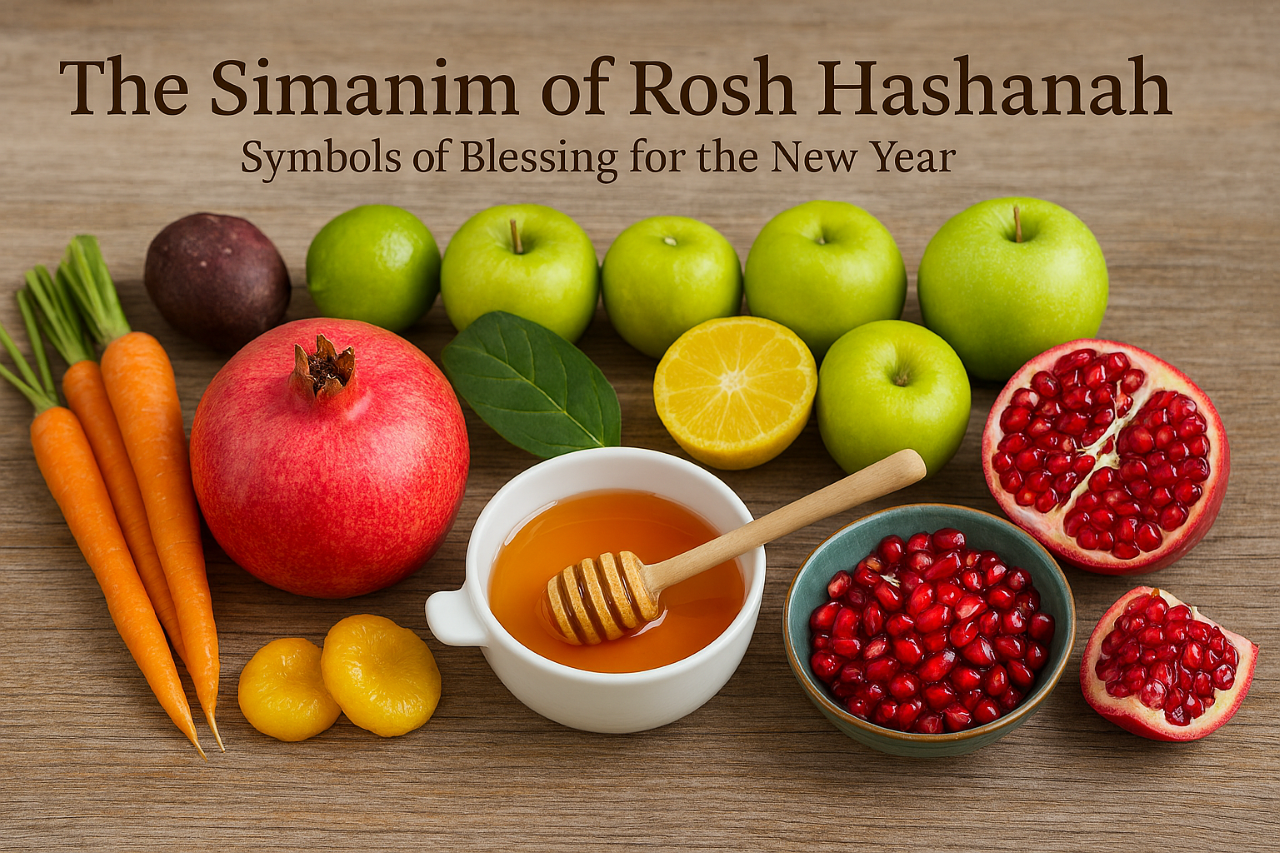
As the Jewish New Year begins, families exchange gifts that symbolize sweetness, abundance, and hope. Honey, apples, baked goods, chocolates, dried fruits, and gourmet treats are popular choices for wishing loved ones a sweet year ahead.
Sending a kosher gift basket during Rosh Hashanah is a thoughtful way to share blessings with family, friends, neighbors, and business associates.
Purim
Purim is perhaps the holiday most closely associated with gift-giving.
One of its central traditions is Mishloach Manot, the giving of food gifts to friends and family. These gifts strengthen relationships and promote unity within the community.
Purim also emphasizes giving to those in need, reminding everyone that celebration should include caring for others.
Hanukkah
While Hanukkah is known for lighting the menorah and exchanging gifts, it also highlights gratitude and generosity.
Families often share food, donate to charitable causes, and express appreciation through thoughtful presents that bring joy during the Festival of Lights.
Passover
Passover reminds Jewish families of freedom, gratitude, and helping those less fortunate.
Many communities organize food drives, provide meals, and ensure everyone can participate in the holiday regardless of financial circumstances.
Supporting Families During Difficult Times
Giving becomes especially meaningful during times of hardship.
Jewish tradition encourages communities to support families who are grieving, recovering from illness, or facing personal challenges.
For example, during Shiva, friends and relatives often send kosher food baskets that provide comfort while reducing the practical burden of meal preparation.
These thoughtful gestures allow families to focus on healing while knowing they are surrounded by love and support.
Acts of Kindness Matter as Much as Financial Giving
Judaism teaches that generosity extends beyond money.
Known as Gemilut Chasadim (acts of loving-kindness), these deeds include:
-
Visiting someone who is ill
-
Comforting mourners
-
Offering encouragement
-
Mentoring others
-
Helping someone find employment
-
Sharing knowledge and skills
-
Volunteering within the community
These acts often leave a lasting impact because they involve giving one's time, compassion, and presence.
Giving Strengthens Communities
Communities thrive when people care for one another.
Throughout history, Jewish communities established schools, hospitals, charitable organizations, and mutual aid societies supported by collective generosity.
These institutions continue to serve people from all backgrounds, demonstrating that acts of kindness create stronger neighborhoods and more compassionate societies.
Whether through volunteering, donating, or simply checking in on a neighbor, every contribution helps build a sense of belonging.
The Role of Thoughtful Gifts
Gift-giving has long been a meaningful way to express appreciation, celebrate milestones, and strengthen relationships.
Thoughtfully chosen kosher gifts are appropriate for many occasions, including:
-
Jewish holidays
-
Weddings
-
Birthdays
-
Anniversaries
-
Housewarmings
-
Baby celebrations
-
Corporate appreciation
-
Sympathy and Shiva
Premium kosher gift baskets filled with chocolates, baked goods, dried fruits, nuts, honey, and gourmet snacks allow recipients to share the experience with family and friends.
These gifts become symbols of care, gratitude, and connection.
Giving in Business Relationships
Generosity also plays an important role in professional settings.
Sending kosher corporate gifts can:
-
Strengthen client relationships
-
Thank employees
-
Celebrate partnerships
-
Recognize achievements
-
Express holiday greetings
Beautifully presented kosher gift baskets are both thoughtful and inclusive, making them an excellent choice for businesses looking to show appreciation while respecting Jewish traditions.
Giving Is Good for the Giver
Research consistently shows that generosity benefits both the recipient and the giver. Acts of kindness have been associated with:
-
Increased happiness
-
Reduced stress
-
Stronger relationships
-
Greater sense of purpose
-
Improved emotional well-being
-
Enhanced community connections
These findings align closely with Jewish teachings that encourage generosity as a way of enriching both individual lives and society as a whole.
Practical Ways to Practice Jewish Giving Traditions
You don't have to wait for a holiday to embrace the spirit of giving.
Here are a few meaningful ideas:
-
Support a charitable organization.
-
Volunteer in your local community.
-
Invite someone to a Shabbat dinner.
-
Send a kosher gift basket to a loved one.
-
Visit someone who is feeling lonely.
-
Donate food to families in need.
-
Offer your time or professional skills to help others.
-
Express gratitude through thoughtful gifts and handwritten notes.
Even small acts of generosity can make a meaningful difference.
Frequently Asked Questions
What is Tzedakah?
Tzedakah is the Jewish practice of giving based on justice and righteousness. It reflects the belief that helping others is both a privilege and a responsibility.
Why is giving so important in Judaism?
Giving strengthens communities, supports those in need, expresses gratitude, and fulfills the Jewish values of compassion, justice, and responsibility.
What is Mishloach Manot?
Mishloach Manot is the Purim tradition of sending food gifts to friends and family to promote unity, friendship, and celebration.
Are kosher gift baskets appropriate for Jewish holidays?
Yes. Kosher gift baskets are popular for Rosh Hashanah, Hanukkah, Purim, Passover, Shavuot, and many other celebrations because they combine thoughtful presentation with foods that meet kosher dietary standards.
What are examples of giving besides donating money?
Acts of kindness such as volunteering, visiting the sick, comforting mourners, mentoring others, offering hospitality, and helping neighbors are all important expressions of generosity in Jewish tradition.
Final Thoughts
Giving is one of Judaism's most enduring and meaningful values. Through Tzedakah, hospitality, acts of loving-kindness, and thoughtful gift-giving, Jewish tradition teaches that generosity is not simply about what we give—it's about how we care for one another.
Whether supporting a charitable cause, sharing a holiday meal, comforting a grieving family, or sending a beautifully curated kosher gift basket, every act of generosity reflects the timeless principles of compassion, justice, and community.
As Jewish families celebrate holidays, mark important milestones, and care for neighbors in need, the tradition of giving continues to inspire stronger relationships and more connected communities. By embracing these values in everyday life, we help carry forward a legacy of kindness that has endured for generations.
Giving is more than an act—it is a way of building a better future, one thoughtful gesture at a time.