










In Jewish tradition, mourning is not faced alone. Community, compassion, and practical support surround the bereaved from the moment of loss through the days that follow. One of the most meaningful expressions of this support is the Shiva gift—a thoughtful offering sent to comfort mourners and sustain them during the sacred mourning period known as Shiva.
If you’ve ever wondered what a Shiva gift is, why food is sent, and what you should send to a grieving Jewish family, this comprehensive guide will walk you through the meaning, customs, and etiquette—along with practical gift ideas that align with tradition.
Understanding Shiva: The Sacred Week of Mourning
Shiva (Hebrew for “seven”) refers to the first seven days after a Jewish funeral. During this time, close family members remain at home to mourn, reflect, pray, and receive visitors.
The practices of Shiva are rooted in Jewish law and described in traditional texts such as the Talmud. The goal is to allow mourners to fully experience grief while being supported by their community.
Common Shiva practices include:
-
Staying home and refraining from normal routines
-
Sitting on low chairs or stools
-
Covering mirrors
-
Reciting memorial prayers
-
Receiving visitors who offer comfort
-
Being provided with meals by others
Because mourners are not expected to cook or shop, food becomes the most appropriate and traditional Shiva gift.
What Is a Shiva Gift?
A Shiva gift is a sympathy gift—usually kosher food—sent to a Jewish family during the Shiva mourning period. Its purpose is practical and emotional:
-
Nourish mourners who are not preparing meals
-
Support the household hosting visitors
-
Express condolences respectfully
-
Participate in the mitzvah (good deed) of comforting mourners
In Jewish tradition, caring for mourners is called nichum aveilim (comforting the bereaved), a profound act of kindness.
Why Food Is Traditionally Sent During Shiva
Food plays a central role in Shiva for several reasons:
1. Mourners Do Not Cook
Jewish custom discourages mourners from focusing on daily tasks like meal preparation. Community members step in to provide nourishment.
2. Visitors Come Throughout the Week
A Shiva home receives many visitors offering condolences. Food allows the household to host without burden.
3. The First Meal Is Provided by Others
Traditionally, the first meal after burial—the seudat havra’ah (meal of consolation)—is given by friends or community.
4. Food Symbolizes Care and Continuity
Sending sustenance expresses life, comfort, and communal responsibility.
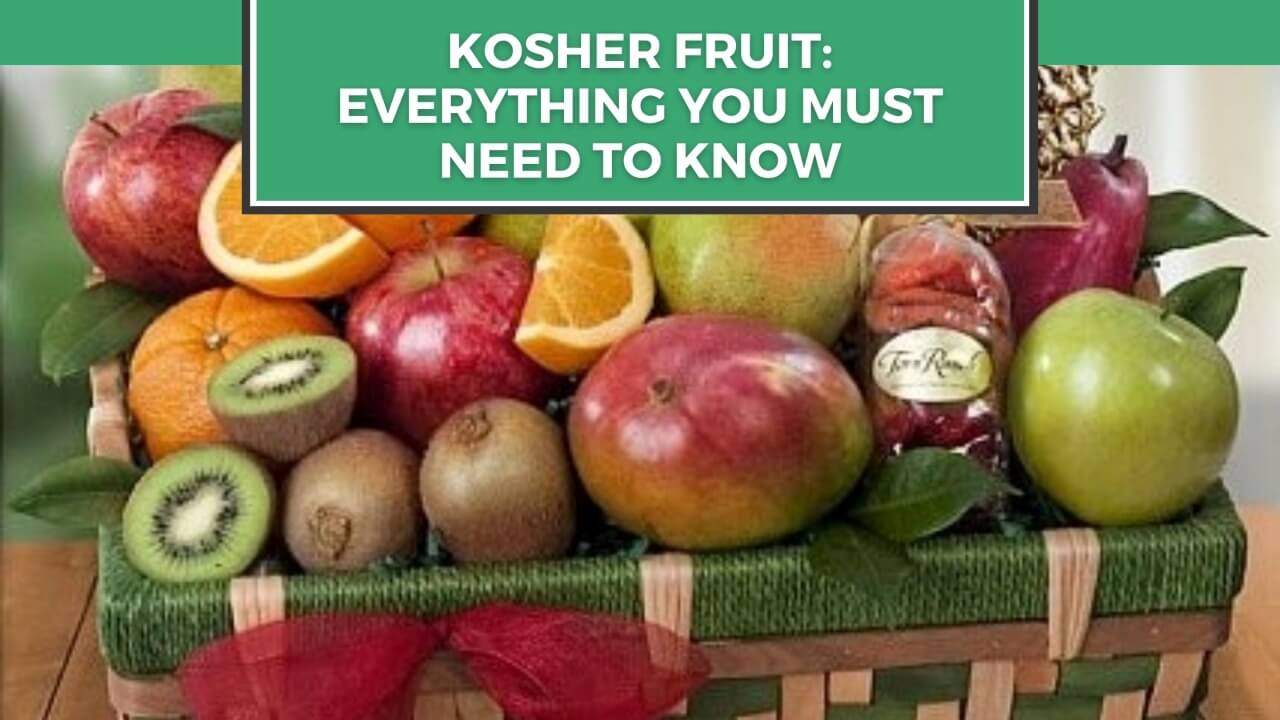
This is why fruit baskets, baked goods, and kosher platters became the most recognized Shiva gifts worldwide.
Shiva Gift Etiquette: What Is Appropriate?
When choosing a Shiva gift, Jewish mourning etiquette emphasizes simplicity, practicality, and respect.
Appropriate Shiva Gifts
-
Kosher fruit baskets
-
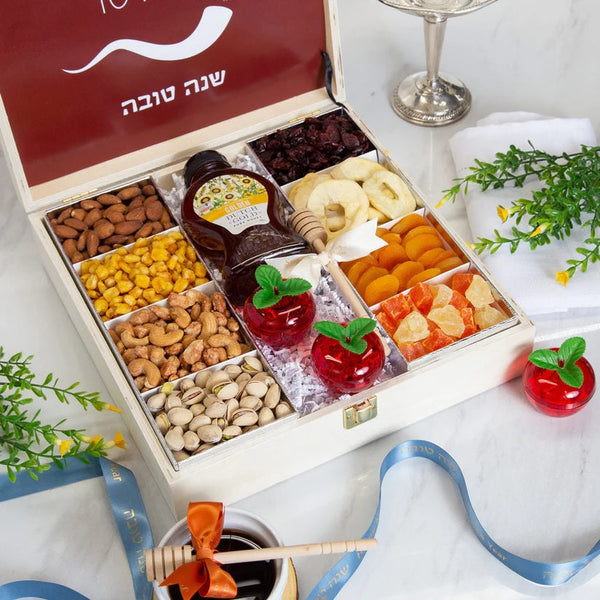
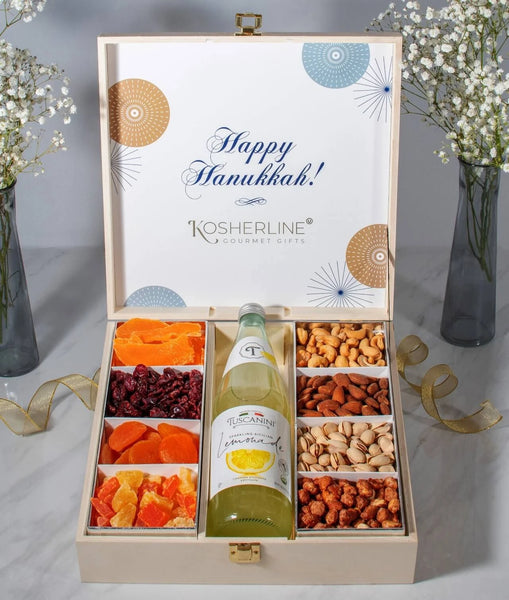
Dried fruit and nut trays
-
Baked goods and cakes
-
Chocolate assortments
-
Meal platters or deli trays
-
Snack baskets for visitors
-
Healthy food arrangements
Gifts to Avoid
-
Flowers (not traditional in Jewish mourning)
-
Alcohol (generally inappropriate)
-
Decorative items or keepsakes
-
Non-kosher food
-
Celebratory or festive items
Unlike many cultures, Jewish mourning emphasizes sustenance over decoration.
Why Kosher Matters in Shiva Gifts
Jewish dietary laws (kashrut) continue to be observed during mourning. Sending kosher food ensures the gift can be eaten by the family and visitors.
Kosher Shiva gifts:
-
Respect religious observance
-
Can be shared with all visitors
-
Avoid causing discomfort
-
Maintain communal standards
When in doubt, always choose certified kosher sympathy gifts.
What to Send: Traditional Shiva Gift Ideas
Here are the most appropriate and widely accepted Shiva gifts.
Fruit Baskets: The Most Traditional Shiva Gift
Fresh fruit baskets are the classic Shiva gift. They are:
-
Ready to eat
-
Shareable with visitors
-
Healthy and refreshing
-
Symbolic of life and renewal
They also suit all dietary needs and ages.
Chocolate & Sweets Trays
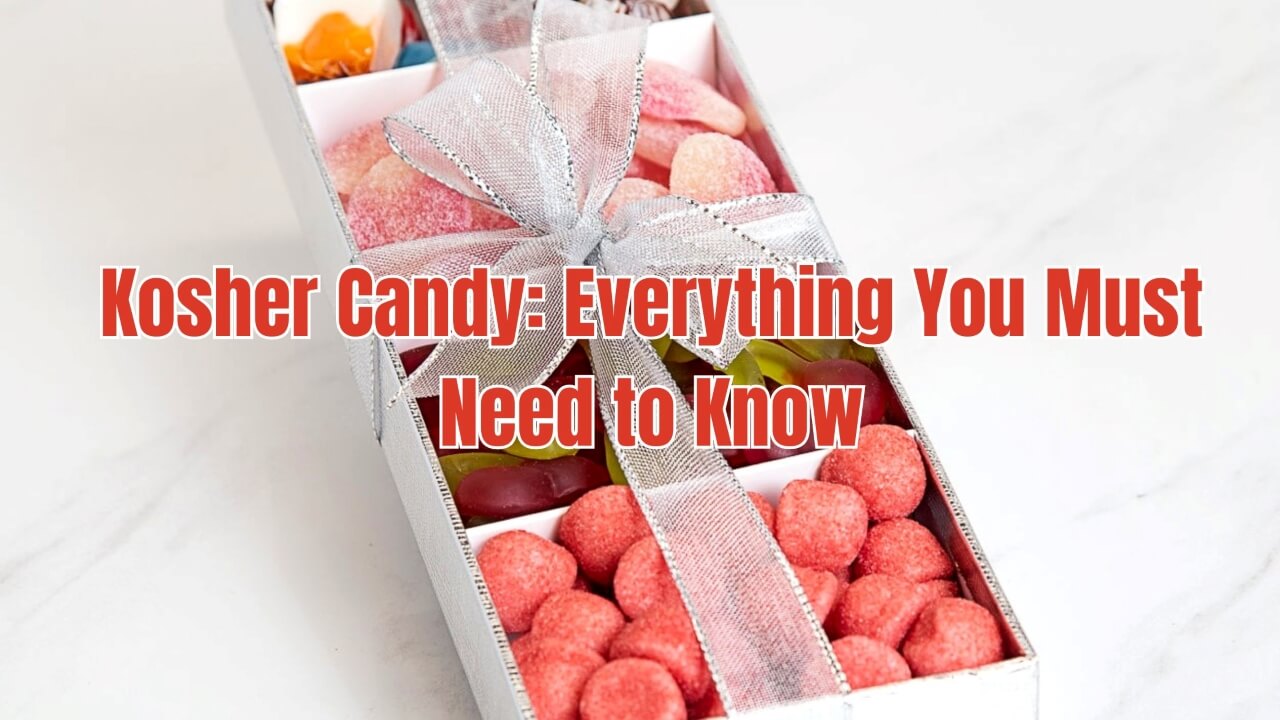
Chocolate and baked goods provide emotional comfort during grief. They:
-
Offer small moments of sweetness
-
Are easy to serve to guests
-
Require no preparation
This makes them ideal for homes receiving many visitors.
Baked Goods & Cakes
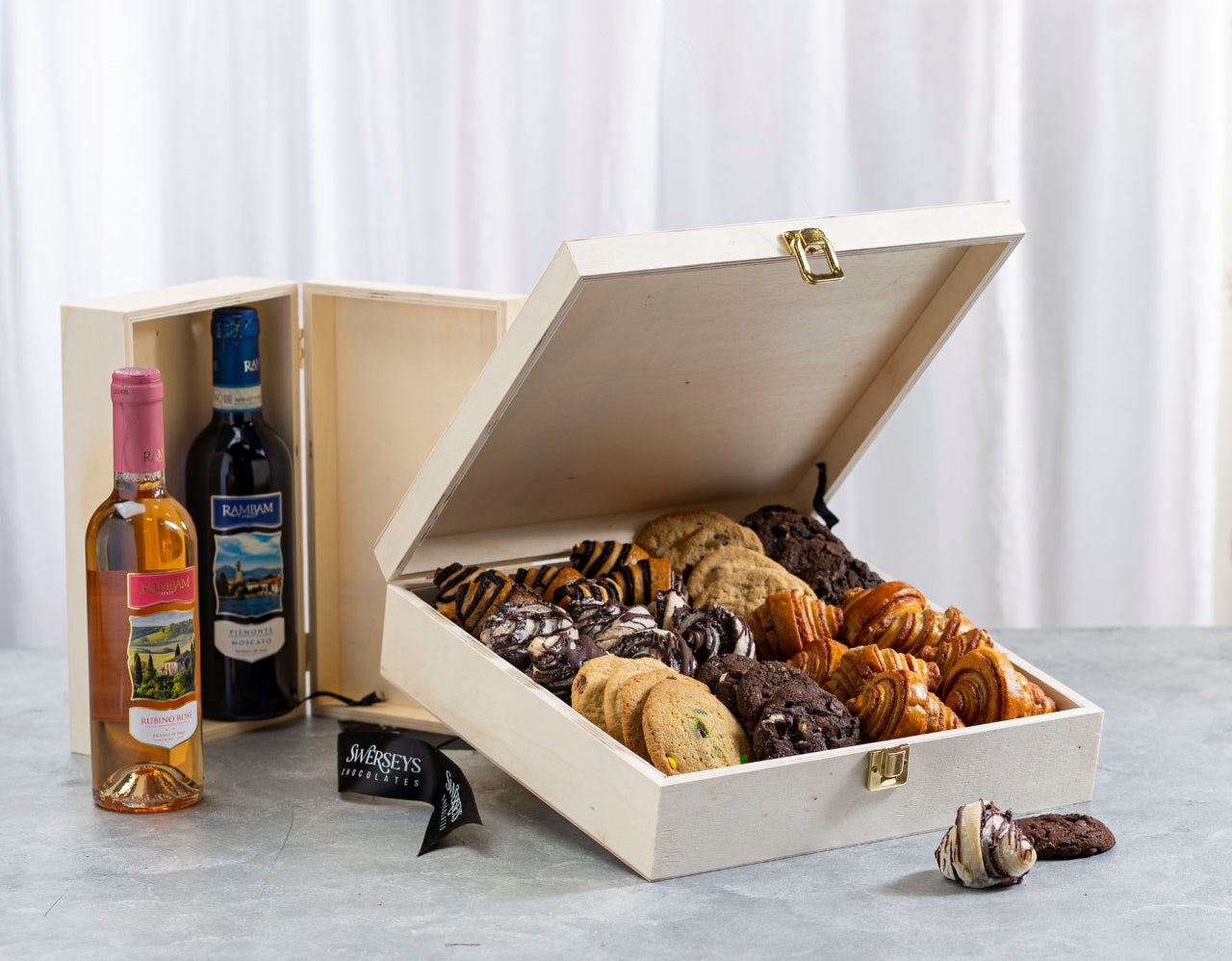
Kosher cakes, cookies, and pastries are common Shiva gifts because they:
-
Pair well with coffee or tea
-
Feed visitors easily
-
Last several days
They are especially helpful during evening Shiva visits.
Prepared Meal Platters
Meal platters provide substantial nourishment for mourning families. Popular options include:
-
Deli platters
-
Sandwich trays
-
Salads
-
Savory pastries
These reduce the need for cooking entirely.
Mixed Shiva Gift Baskets
Combination Shiva baskets with fruit, snacks, and sweets are highly practical because they:
-
Serve multiple tastes
-
Feed groups
-
Last throughout Shiva
They are ideal for extended families hosting many guests.
When Should You Send a Shiva Gift?
Timing matters in Jewish mourning customs.
Best times to send:
-
Immediately after the funeral
-
During the seven days of Shiva
-
Before your Shiva visit
-
If you cannot attend in person
Sending early ensures the family benefits throughout the mourning week.
Sending a Shiva Gift When You Can’t Visit
Today, many people live far from loved ones. Sending a Shiva gift allows you to:
-
Participate in mourning from afar
-
Offer practical support
-
Show presence without travel
-
Honor Jewish tradition respectfully
Long-distance Shiva gifts are widely accepted and appreciated.
What to Write in a Shiva Sympathy Card
A Shiva gift should include a brief condolence message. Jewish condolence language is traditionally simple and respectful.
Common phrases:
-
“May you be comforted among the mourners of Zion and Jerusalem.”
-
“Thinking of you during this time of loss.”
-
“Wishing you comfort and peace.”
-
“With heartfelt sympathy.”
Avoid overly cheerful or lengthy messages.
The Deeper Meaning of Shiva Gifts
Beyond food, Shiva gifts represent core Jewish values:
Community Responsibility
No one grieves alone.
Practical Kindness
Support is tangible, not symbolic.
Respect for Mourning
Needs of mourners come first.
Continuity of Life
Food sustains both body and spirit.
In this way, a Shiva gift becomes more than a basket—it becomes an act of compassion.
Modern Shiva Gifts: Tradition Meets Convenience
Today, families often receive:
-
Nationwide-shipped kosher baskets
-
Dietary-specific options (gluten-free, nut-free)
-
Elegant presentation trays
-
Large sharing platters
These modern options maintain tradition while meeting contemporary needs.
How to Choose the Right Shiva Gift
When selecting a Shiva gift, consider:
-
Family size
-
Expected visitors
-
Religious observance level
-
Dietary restrictions
-
Relationship closeness
General guide:
-
Colleague → Small fruit or snack basket
-
Friend → Medium mixed basket
-
Close family → Large fruit or meal platter
-
Group gift → Premium arrangement
Why Shiva Gifts Matter
During the first days after loss, mourners experience emotional exhaustion and practical overwhelm. Providing food removes one burden.
A Shiva gift says:
-
“You are not alone.”
-
“We care for you.”
-
“We sustain you.”
-
“We remember.”
This is why the tradition has endured for centuries.
Final Thoughts
A Shiva gift is not merely a sympathy gesture—it is a deeply rooted Jewish act of care grounded in community, nourishment, and respect for mourning.
By sending kosher food during Shiva, you participate in an ancient tradition of comforting the bereaved, supporting families, and sustaining life in the face of loss.
Whether you choose a fruit basket, baked goods, or a full meal tray, the most important element is intention: to comfort, support, and stand beside those who grieve.
FAQs About Shiva Gifts
Do you send flowers for Shiva?
No. Food is traditional in Jewish mourning; flowers are generally avoided.
Is kosher required?
Yes, unless you know the family does not keep kosher.
Can you send a Shiva gift after Shiva?
Yes, but the ideal time is during the seven-day period.
Do you bring gifts to a Shiva visit?
Often yes—food or a basket is appropriate.