








Chocolate is one of the most popular gifts for holidays, celebrations, corporate events, and personal milestones. But when choosing chocolate for someone who follows kosher dietary laws, understanding the difference between dairy and pareve products can make all the difference.
Kosher pareve chocolate offers a versatile option for people looking for chocolate treats that meet specific kosher dietary requirements without dairy ingredients.
Whether you are shopping for a thoughtful gift, preparing for a Jewish holiday, or selecting gourmet treats for clients and colleagues, learning about pareve chocolate can help you make a more informed choice.
In this guide, we will explain what kosher pareve chocolate is, how it differs from dairy chocolate, what kosher certification means, and how to choose the right pareve chocolate gifts for different occasions.
What Is Kosher Pareve Chocolate?
Kosher pareve chocolate is chocolate that meets kosher requirements for pareve foods. In Jewish dietary law, pareve refers to foods that are neither meat nor dairy.
Unlike conventional milk chocolate, which contains dairy ingredients such as milk powder or milk solids, pareve chocolate is formulated without dairy ingredients and must meet the applicable kosher requirements to be classified as pareve.
Depending on the recipe, pareve chocolate may contain ingredients such as cocoa solids, cocoa butter, sugar, and other permitted ingredients. Some products may use plant-based ingredients to achieve a smooth, creamy texture.
However, not every dairy-free chocolate is automatically kosher or pareve. Ingredients, manufacturing equipment, and production procedures can all affect a product's kosher status.
When shopping for kosher pareve chocolate, look for a reliable kosher certification mark and verify that the product is specifically designated as pareve when that status matters to you.
Why Is Pareve Chocolate Important in Kosher Dietary Laws?
Jewish dietary laws, known as kashrut, establish guidelines for which foods may be eaten and how certain ingredients and food combinations must be handled.
One important principle is the separation of meat and dairy. Pareve foods are neither meat nor dairy, making them particularly useful in kosher meal planning.
For example, someone serving a meat meal may choose a properly certified pareve chocolate dessert instead of a dairy dessert, provided the product and its preparation meet the relevant kosher requirements.
Pareve chocolate can also simplify gift shopping. When you do not know whether a recipient prefers dairy products or follows particular kosher practices, a clearly certified pareve option can be a practical choice.
Nevertheless, individual kosher standards and preferences vary. Always check the certification and product details rather than assuming every recipient will accept every pareve product.
Kosher Pareve Chocolate vs. Dairy Chocolate
Although both varieties can deliver rich cocoa flavor, kosher pareve chocolate and dairy chocolate differ in their ingredients and kosher classifications.
|
Feature |
Kosher Pareve Chocolate |
Dairy Kosher Chocolate |
|
Dairy ingredients |
Formulated without dairy ingredients |
Contains dairy ingredients |
|
Kosher classification |
Neither meat nor dairy |
Dairy |
|
Use with meat meals |
May be suitable when all relevant requirements are met |
Not served as part of a meat meal under kosher dietary law |
|
Flavor and texture |
Varies by recipe and cocoa content |
Often has a creamy texture from milk ingredients |
|
Gift-giving |
A versatile option for many occasions |
Ideal for recipients who prefer dairy chocolate |
|
Certification |
Look for a recognized pareve designation |
Look for appropriate dairy certification |
Both types can be delicious, high-quality gifts. The best choice depends on the recipient's dietary requirements, personal preferences, and the occasion.
What Does OU-Parve Mean on a Chocolate Package?
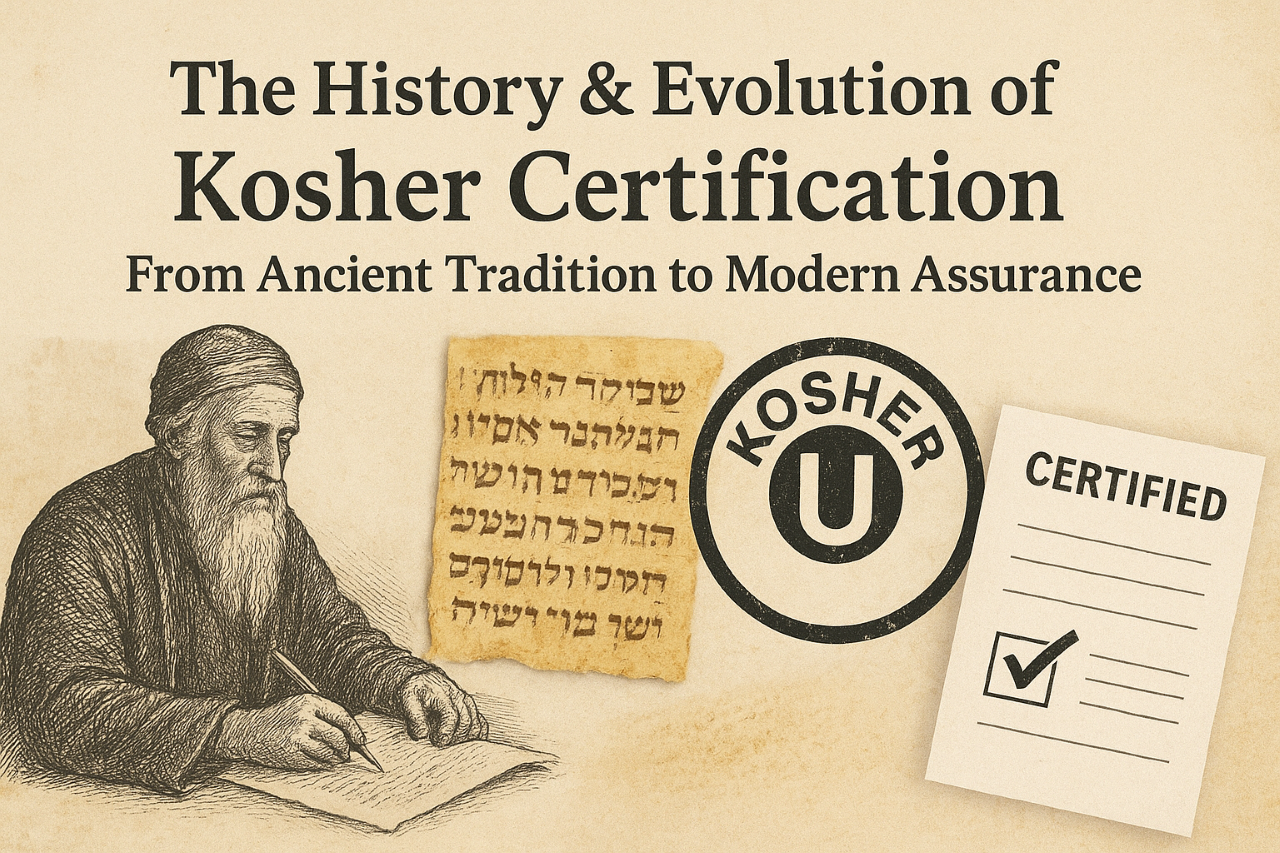
When shopping for kosher chocolate, you may encounter symbols such as OU, OU-D, and OU-Parve.
These symbols communicate information about a product's kosher certification.
-
OU: The Orthodox Union's kosher certification symbol. The symbol alone should not be interpreted as proof that a product is pareve.
-
OU-D: Indicates that a product is certified kosher dairy or is classified as dairy under the certifier's labeling system.
-
OU-Parve: Indicates that the product is certified as pareve under the Orthodox Union's certification system.
For consumers who specifically need pareve chocolate, the distinction matters. A product can be kosher-certified without being pareve.
It is also important to understand that a dairy-free ingredient list does not necessarily establish pareve status. Manufacturing processes and other certification considerations may affect the final classification.
Always review the package label and certification details. If you have a question about a particular product, consult the certifying organization or the manufacturer.
What Ingredients Are Used in Pareve Chocolate?
The ingredients used in pareve chocolate depend on the manufacturer and the desired flavor profile.
Common ingredients include:
Cocoa solids: These provide chocolate's characteristic flavor and contribute to its intensity.
Cocoa butter: The natural fat obtained from cocoa beans helps chocolate melt smoothly and develop its familiar texture. Cocoa butter is not dairy butter.
Sugar: Sugar balances the bitterness of cocoa and contributes to the sweetness of the finished product.
Plant-based ingredients: Some recipes use plant-derived ingredients to create a smoother or creamier mouthfeel without dairy.
Flavorings and inclusions: Vanilla, nuts, dried fruits, crisped ingredients, and other permitted additions can create distinctive flavor combinations.
The complete formulation matters. Chocolate containing nuts, caramel, cookie pieces, or other additions must still meet the requirements for its stated kosher classification.
If you have allergies or other dietary restrictions, check the ingredient list and allergen statements separately. Pareve certification does not automatically mean that a product is free from every allergen or suitable for every dietary preference.
Does Pareve Chocolate Taste Different from Milk Chocolate?
Not necessarily. The flavor and texture of pareve chocolate depend on the cocoa content, ingredients, recipe, and production technique.
Dark pareve chocolate can offer bold cocoa notes, subtle bitterness, and a clean finish. Other formulations may be sweeter and milder, making them appealing to people who prefer a less intense chocolate flavor.
Some pareve chocolates are designed to provide a creamy texture, while others emphasize the richness of cocoa. Premium ingredients and careful production can contribute to an enjoyable chocolate experience regardless of whether a recipe contains dairy.
When selecting a gift, consider the recipient's preferences. A dark chocolate assortment may suit someone who enjoys sophisticated flavors, while a mixed selection of truffles, chocolate-covered treats, and crunchy confections can offer greater variety.
The key is to choose a product based on its quality and flavor profile as well as its kosher certification.
How to Choose the Best Kosher Pareve Chocolate Gifts
Pareve chocolate is a practical option for many gifting situations, from holiday celebrations to professional thank-you gifts. The right selection depends on the occasion, the recipient, and the presentation.
1. Choose a Gourmet Chocolate Gift Box
A chocolate gift box offers an attractive way to present an assortment of treats. Depending on the product, it may include chocolate pieces, truffles, crunchy confections, or other gourmet selections.
For a recipient who appreciates variety, look for a gift box that combines different textures and flavors. Always confirm that the specific assortment is certified pareve if that is a requirement.
2. Consider a Chocolate Gift Tower
Chocolate gift towers provide a more substantial presentation for birthdays, holidays, business celebrations, and family gatherings.
Multiple tiers can create a memorable unboxing experience while allowing the gift to include several types of confections. Before purchasing, check whether every component of the tower meets the desired kosher classification.
3. Select Chocolate and Nut Assortments
Chocolate paired with nuts can offer a satisfying combination of sweetness and crunch. Almonds, peanuts, and other nut varieties are popular additions to gourmet chocolate collections.
If the recipient has allergies, review the allergen information and possible cross-contact warnings before ordering.
4. Look for Elegant Packaging
Presentation matters when sending a gift to a client, colleague, friend, or family member. Decorative boxes, carefully arranged treats, and coordinated packaging can make a chocolate gift feel more personal.
For business gifting, choose packaging that reflects the occasion and the relationship with the recipient.
5. Verify Certification Before Ordering
Never assume that every chocolate product in a gift collection has the same kosher classification. Check the exact product description, packaging, and certification information.
This is particularly important when ordering assorted gift baskets or towers containing multiple products from different manufacturers.
When Should You Give Kosher Pareve Chocolate?
One of the advantages of pareve chocolate is its versatility. Properly certified products can be appropriate for a variety of celebrations and gifting occasions.
Jewish holidays: Chocolate assortments can be thoughtful gifts for Hanukkah, Purim, and other celebrations, provided the products meet any holiday-specific requirements. For Passover, verify that the product is specifically certified as suitable for Passover; ordinary pareve certification is not sufficient.
Corporate gifting: Businesses can use gourmet pareve chocolate gifts to thank clients, recognize employees, celebrate milestones, and strengthen professional relationships.
Birthdays and anniversaries: A carefully selected chocolate box or gift tower can make an appealing present for someone who enjoys gourmet sweets.
Family gatherings: Pareve chocolate may be useful when planning desserts or gifts for gatherings where kosher dietary requirements are important.
Thank-you and appreciation gifts: A beautifully packaged assortment can express gratitude without requiring an elaborate or highly personalized gift.
When sending a gift to someone whose kosher standards you do not know, choosing a clearly certified product and confirming the recipient's preferences is a thoughtful approach.
Kosher Pareve Chocolate for Corporate and Holiday Gifting
For businesses, selecting gifts that accommodate different dietary requirements can make corporate gifting easier.
Kosher pareve chocolate may be particularly useful when sending gifts to clients, employees, business partners, or professional contacts who keep kosher. An elegant chocolate gift box or tower can communicate appreciation while offering a product with a clearly defined kosher classification.
When ordering in larger quantities, consider several factors:
-
Certification: Verify the kosher status of the exact products being ordered.
-
Presentation: Choose packaging that suits the recipient and occasion.
-
Assortment: Consider whether the recipient would appreciate dark chocolate, truffles, nuts, or a mixture of confections.
-
Delivery: Confirm shipping schedules, destination coverage, and arrival expectations, particularly during busy holiday periods.
-
Personalization: Where available, consider adding a company greeting or a message of appreciation.
Businesses should also confirm product availability and any bulk-order requirements before placing large orders.
For holiday gifting, planning ahead can help ensure that gifts are selected, packaged, and shipped with enough time for the intended celebration.
How to Store Pareve Chocolate Properly
Proper storage helps preserve chocolate's flavor, texture, and appearance.
Keep chocolate in a cool, dry place away from direct sunlight, strong odors, and sudden temperature changes. Excessive heat can soften or melt chocolate, while moisture may affect its surface and texture.
If refrigeration is necessary because of warm conditions, place the chocolate in an airtight container to reduce exposure to moisture and odors. Allow it to approach room temperature while still sealed before opening, helping prevent condensation from forming on the chocolate.
Always follow the manufacturer's storage instructions, especially for assortments that include fillings or other ingredients with specific storage requirements.
Frequently Asked Questions About Kosher Pareve Chocolate
Is all dark chocolate pareve?
No. Dark chocolate is not automatically pareve. Some dark chocolates contain dairy ingredients, and other products may have a dairy classification because of their production or certification status. Check the kosher certification and pareve designation.
Is pareve chocolate dairy-free?
Pareve chocolate is formulated without dairy ingredients and is classified as neither meat nor dairy under its kosher certification. However, people with milk allergies should independently review the allergen statement and manufacturing information, because kosher pareve status is not a guarantee against every possibility of allergen cross-contact.
Is dairy-free chocolate always kosher?
No. Dairy-free chocolate is not automatically kosher. Kosher status depends on the ingredients, production processes, and applicable certification requirements. Look for a reliable kosher certification when certification is important to you.
Can you eat pareve chocolate after a meat meal?
A properly certified pareve chocolate may be eaten after a meat meal under applicable kosher practices. Individuals should follow their own community's customs and any guidance from their rabbi or kosher authority.
What is the difference between OU and OU-Parve?
OU is a kosher certification symbol. OU-Parve specifically indicates a pareve classification under the Orthodox Union's certification system. A plain OU symbol should not automatically be interpreted as indicating pareve status.
Is OU-D chocolate pareve?
No. OU-D indicates a dairy classification under the Orthodox Union's labeling system. If you specifically need pareve chocolate, look for the appropriate pareve designation instead.
Can pareve chocolate be used for Passover?
Only if the specific product has the appropriate Passover certification and meets the recipient's requirements. Pareve certification alone does not establish that a product is suitable for Passover.
Is pareve chocolate suitable for vegan diets?
Some pareve chocolates may be suitable for vegans, but pareve and vegan are not interchangeable terms. Check the complete ingredient list and manufacturing information to confirm that a product meets vegan requirements.
Find the Right Kosher Chocolate Gift
Kosher pareve chocolate brings together the enjoyment of gourmet chocolate and the practical considerations of kosher dietary laws. From elegant gift boxes to multi-tier chocolate towers, it offers a range of options for personal celebrations, holiday occasions, and corporate appreciation.
The most important step is to verify the certification of the specific product rather than relying on its appearance, ingredients, or a general dairy-free description.
Whether you are choosing a gift for a family member, a friend, or a valued business partner, a thoughtfully selected pareve chocolate assortment can be a delicious and memorable way to celebrate.
Explore the kosher chocolate selections at Swerseys to find gourmet treats and gift collections for a variety of occasions. When pareve status is essential, check the individual product listing or packaging to confirm the appropriate certification before ordering.