












Shopping for a kosher gift should feel exciting, not confusing. Whether you are sending a gourmet chocolate box to a friend, choosing a holiday gift basket for a family member, or ordering a premium food gift for a business associate, understanding kosher food labels can help you make a more informed choice.
For shoppers who are new to kosher products, symbols and terms such as OU, OU-D, pareve, and Cholov Yisroel may seem complicated. You might recognize a kosher certification symbol on a package without knowing what it represents. You might also wonder whether a product labeled kosher is automatically suitable for every recipient who follows Jewish dietary laws.
The answer depends on the product, its certification, and the recipient's individual kosher practices.
Kosher food follows Jewish dietary laws, known as kashrut. These laws address which foods may be eaten, how certain foods must be prepared, and how different categories of food are handled. Kosher certification helps shoppers identify products that have been reviewed and certified by a recognized kosher certifying organization.
Understanding these distinctions is particularly useful when buying kosher gift baskets, kosher chocolate gifts, gourmet gift boxes, and other food-based presents. A little knowledge can help you choose a gift that respects the recipient's dietary practices while still delivering the delicious flavors and beautiful presentation that make gourmet gifting special.
In this guide, we will explain common kosher certification symbols and terms, clarify the differences between dairy and pareve products, and share practical tips for selecting kosher gifts for holidays, celebrations, corporate occasions, and everyday moments.
What Is Kosher Certification?
Kosher certification indicates that a food product meets the requirements of Jewish dietary law under the supervision and standards of a kosher certifying organization.
The Hebrew word kosher generally means fit or suitable. In food, it refers to products that comply with the relevant requirements of kashrut.
These requirements go beyond simply identifying ingredients. Depending on the product, kosher certification may involve examining ingredients, production equipment, processing methods, and manufacturing procedures.
For packaged foods, certification is often represented by a symbol printed on the product label. These symbols help consumers identify products that have been certified by a particular organization.
Common kosher certification symbols include the OU, OK, Star-K, and Kof-K. Each represents a separate certifying organization with its own certification mark and oversight process.
For someone shopping for kosher gifts, checking the certification on individual products is an important first step. It is especially helpful when purchasing a gift for someone whose dietary requirements you do not know well.
Why Does Kosher Certification Matter When Buying Gifts?
A food gift is only useful if the recipient can comfortably enjoy it. Even an expensive chocolate assortment or beautifully arranged gourmet basket may not be appropriate if its contents do not meet the recipient's kosher standards.
Checking kosher certification helps you:
-
Choose food products that have been certified kosher.
-
Identify whether a product is dairy, pareve, or another relevant category.
-
Make more informed choices when selecting chocolates, cookies, nuts, and other gourmet treats.
-
Avoid assuming that every kosher-certified product is suitable for every recipient.
-
Show consideration for the recipient's dietary practices and traditions.
Kosher certification is therefore more than a label to glance at before checkout. It is useful information that can guide your gift selection.
What Does the OU Kosher Symbol Mean?
The OU symbol is one of the most widely recognized kosher certification marks. It consists of the letters U and O arranged within a circle and identifies products certified by the Orthodox Union.
When a packaged food carries the OU symbol, it indicates that the product has been certified under the Orthodox Union's kosher certification program.
You may encounter this symbol on chocolates, cookies, snack foods, beverages, packaged ingredients, and many other grocery products.
For shoppers buying kosher gift baskets or gourmet chocolate gifts, recognizing the OU symbol can make it easier to identify certified products.
However, there is an important distinction: the basic OU symbol does not automatically mean that a product is pareve or suitable for Passover. Additional markings or product-specific certification information may be relevant.
What Is the Difference Between OU and OU-D?
The distinction between OU and OU-D is particularly important when purchasing food gifts.
OU generally identifies a product certified as kosher without a dairy designation on the symbol.
OU-D identifies a product certified as dairy or as having a dairy classification under the certifier's standards.
For consumers who maintain separate practices for meat and dairy, this distinction can influence which foods they choose and how they serve them.
For example, a chocolate-covered cookie assortment bearing an OU-D symbol may be appropriate for someone who consumes kosher dairy products. However, it may not be the right choice for someone specifically seeking pareve chocolates.
The dairy designation is also relevant when a recipient follows stricter practices concerning dairy ingredients or dairy production.
When shopping for a gift, do not rely solely on the product name or its appearance. Review the actual certification and product information.
What Does Pareve Mean?
Pareve, also spelled parve or parev, is a category in kosher dietary law that generally describes food that is neither meat nor dairy.
Pareve foods can include many fruits, vegetables, grains, eggs, and certain processed foods, provided the ingredients and production methods meet the relevant kosher requirements.
Some packaged foods, including certain chocolates, candies, cookies, and snack products, are certified pareve.
This classification can be especially useful when selecting kosher gifts because pareve products may offer more flexibility for recipients who observe kosher dietary laws.
However, pareve does not mean that a food is vegan, allergen-free, or automatically suitable for every diet.
Why Are Pareve Foods Popular in Kosher Gift Baskets?
Pareve products can be useful when you do not know whether a recipient prefers dairy foods or needs to avoid them in a particular meal context.
For example, pareve-certified chocolates or cookies may offer a convenient option for certain gifting situations involving mixed menus or households with different food preferences.
Pareve products can also be useful when selecting a gift for someone who wants a sweet treat but prefers not to receive dairy-based products.
When browsing kosher gift boxes and gourmet baskets, look for product details that clearly identify the relevant kosher classification.
Remember that the overall suitability of a gift depends on its individual contents. A basket containing pareve chocolates alongside dairy cookies is not entirely pareve simply because some of its items are.
Is Pareve the Same as Vegan?
No. Pareve and vegan describe different things.
Pareve is a kosher food classification. Vegan describes a diet or product that excludes animal-derived ingredients.
A pareve product may contain eggs or honey, for example, even though those ingredients are not considered dairy or meat under kosher dietary classifications.
Likewise, a vegan product is not automatically kosher-certified.
If the recipient follows both vegan and kosher dietary requirements, check for appropriate kosher certification and a clear ingredient list, as well as reliable information about the product's vegan status.
What Is Cholov Yisroel?
Cholov Yisroel, also spelled Chalav Yisrael, refers to a standard of kosher milk production involving Jewish supervision from the beginning of the milking process.
The term is relevant to people who follow particular standards concerning the sourcing and supervision of milk and dairy products.
Some kosher consumers accept dairy products certified under other recognized kosher standards, while others specifically seek Cholov Yisroel products.
This is why two products can both be certified kosher dairy but still differ in whether they meet a particular recipient's requirements.
Why Does Cholov Yisroel Matter When Choosing Chocolate Gifts?
Chocolate, cookies, caramels, and other sweets may contain milk, cream, whey, milk powder, or other dairy ingredients.
If you are choosing a kosher chocolate gift for someone who specifically observes Cholov Yisroel, a general kosher dairy certification may not provide enough information to establish that the product meets their preferred standard.
The safest approach is to look for explicit Cholov Yisroel identification and confirm the product's certification details.
If you are unfamiliar with the recipient's level of observance, consider asking a discreet question or selecting a product only after verifying that it meets their requirements.
A thoughtful gift should make the recipient feel considered rather than leave them uncertain about whether they can enjoy it.
What Is the Difference Between Kosher Dairy and Kosher Pareve Chocolate?
Chocolate is one of the most popular choices for food gifts. It works well for birthdays, anniversaries, holidays, client appreciation, and simple thank-you gestures.
However, not all kosher chocolate products have the same classification.
Kosher chocolate may be dairy or pareve, depending on its ingredients, manufacturing process, and certification.
Kosher Dairy Chocolate
Dairy chocolate may contain milk powder, milk solids, cream, or other dairy ingredients. It can be an excellent choice for recipients who enjoy traditional milk chocolate and consume kosher dairy products.
When selecting dairy chocolate, check the certification symbol and any additional requirements that may apply to the recipient.
Kosher Pareve Chocolate
Pareve chocolate is certified under kosher standards as pareve. Depending on the formulation, it may be made without dairy ingredients or manufactured under conditions that meet the certifier's pareve requirements.
It can be useful when shopping for someone who prefers pareve foods.
However, do not assume that dark chocolate is automatically pareve. Some dark chocolate products contain milk ingredients or may have a dairy classification.
Always verify the actual product label.
How to Choose Between Dairy and Pareve Chocolate
If you know the recipient's preferences, selecting the right category is straightforward.
If you are unsure, take these steps:
-
Check the kosher certification symbol.
-
Look for a dairy or pareve designation.
-
Review the ingredient list.
-
Consider whether the recipient follows additional standards, such as Cholov Yisroel.
-
If necessary, ask the recipient or someone familiar with their dietary requirements.
These simple checks can help you select kosher chocolate gifts that are both delicious and appropriate.
Does Kosher Certification Automatically Mean Kosher for Passover?
No. This is an important distinction for anyone shopping for Jewish holiday gifts.
A product that is certified kosher throughout the year is not necessarily certified kosher for Passover.
Passover, also called Pesach, has additional dietary requirements. Depending on the recipient's customs and level of observance, restrictions concerning chametz and other ingredients may affect which foods they can eat during the holiday.
Some products that are perfectly acceptable throughout the year may not be suitable for Passover.
This is particularly important when purchasing chocolates, cookies, cakes, crackers, and other processed foods.
What Should You Check Before Sending a Passover Gift?
When selecting a Passover gift, look for products specifically identified as Kosher for Passover when that designation is required by the recipient.
You should also consider:
-
Whether the product has appropriate Passover certification.
-
Whether the recipient follows particular customs concerning kitniyot.
-
Whether every item in a gift basket meets the relevant requirements.
-
Whether the product is intended for use during Passover or before the holiday begins.
A standard kosher symbol alone should not be treated as confirmation that a product is suitable for Passover.
If you are uncertain about the recipient's practices, choose a clearly identified Passover gift or confirm the product details before ordering.
How to Read Kosher Labels When Shopping Online
Shopping for kosher gifts online is convenient, but it can be more difficult to inspect packaging than it is in a physical store.
Product photographs may not show every label clearly, and a product title may not mention all the relevant kosher classifications.
To make a more informed purchase, use the following checklist.
1. Start With the Product Description
Read the complete product listing rather than relying exclusively on its name or promotional photographs.
Look for details about the product's ingredients, kosher certification, and any relevant dietary classifications.
2. Identify the Certification Symbol
Check which kosher certifying organization appears on the packaging or in the product information.
If a product's certification is not clear, contact the retailer for clarification rather than making assumptions.
3. Check the Dairy or Pareve Classification
This step is particularly important for chocolates, cookies, cakes, and other baked goods.
A product's classification may influence whether it is appropriate for the recipient.
4. Look for Additional Standards
Some recipients follow requirements beyond basic kosher certification.
These may include Cholov Yisroel, Pas Yisroel, or particular Passover standards.
Do not assume that every kosher-certified product meets every additional requirement.
5. Review the Entire Gift
If you are purchasing a basket or gift box containing several products, check the information available for the individual items.
A mixed assortment may include products with different classifications.
6. Ask Questions When Necessary
If you cannot find the information you need, contact the retailer or ask the recipient about their preferences.
A short question can help you avoid choosing a gift that cannot be used.
Choosing Kosher Gifts for Different Occasions
Once you understand the basics of kosher certification, you can apply that knowledge to different gifting situations.
The right gift should reflect both the occasion and the recipient's needs.
Kosher Holiday Gifts
Jewish holidays offer many opportunities to send thoughtful food gifts.
For Hanukkah, chocolate assortments, cookies, and gourmet snack collections can make festive presents.
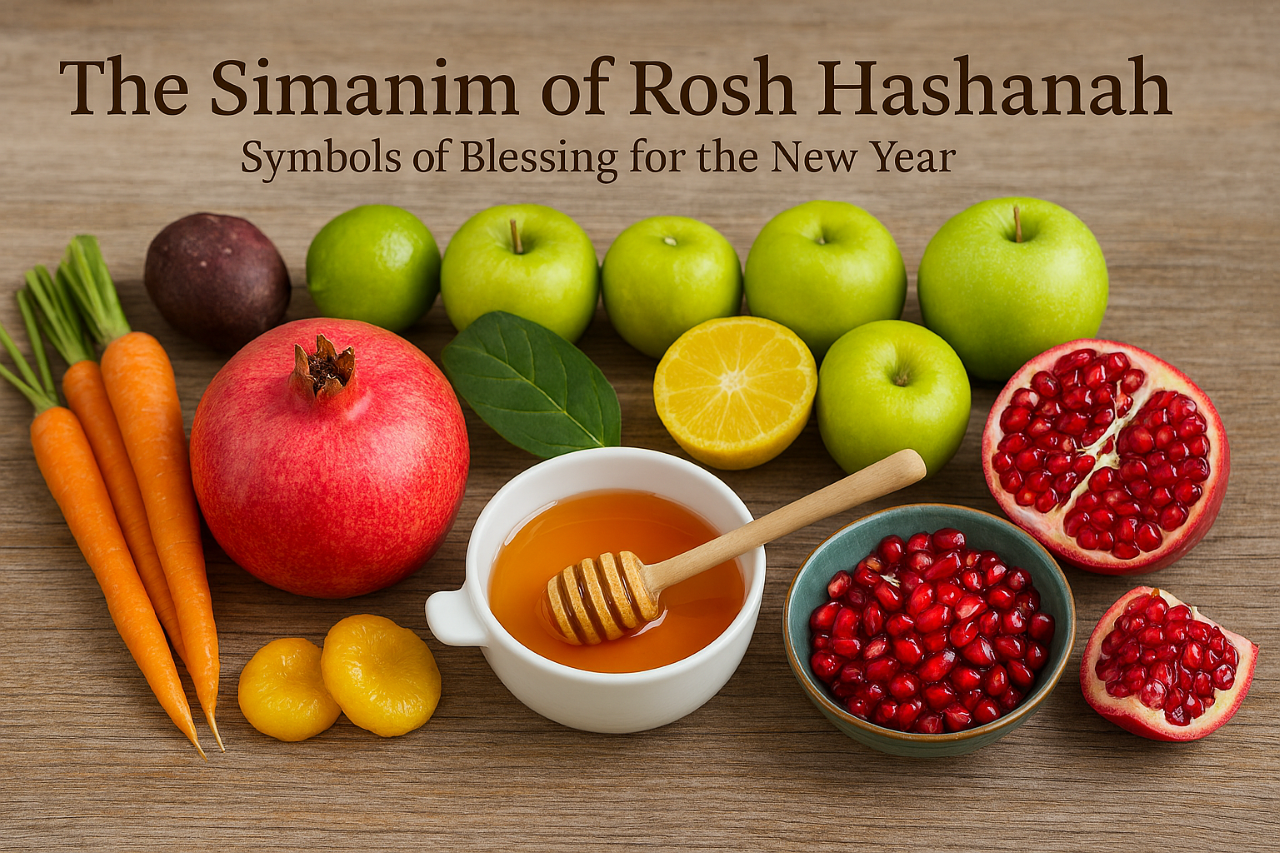
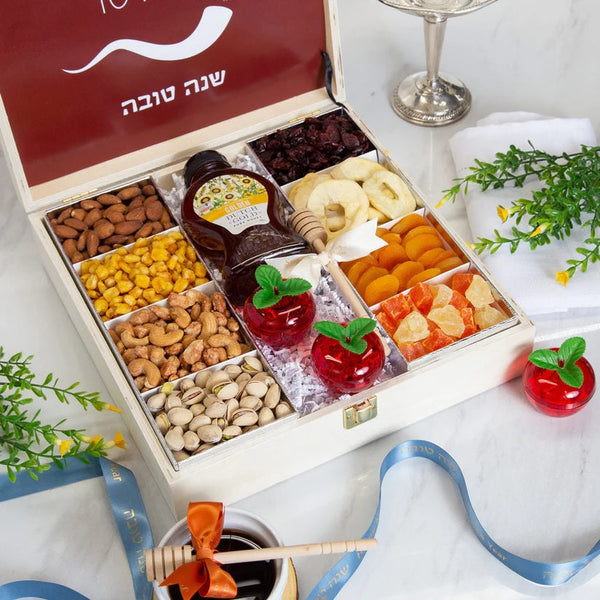
For Rosh Hashanah, fruit, honey-themed gifts, baked goods, and other holiday selections can help convey wishes for a sweet new year.
For Purim, assorted sweets and shareable food gifts can be appropriate choices.
For Passover, look specifically for products certified for Passover when required.
Before ordering any holiday gift, check both the timing of delivery and the relevant kosher requirements.
Kosher Birthday Gifts
A birthday is a wonderful opportunity to choose a gift based on someone's favorite flavors.
A gourmet chocolate box may be ideal for a chocolate lover, while a larger assortment of nuts, dried fruits, cookies, and other treats may be better suited to someone who enjoys variety.
If you are unsure whether the recipient prefers dairy or pareve foods, check the product classifications before ordering.
Personalizing your message can also make a birthday gift feel more thoughtful.
Kosher Corporate Gifts
Businesses often send gifts to clients, colleagues, employees, and professional partners to express appreciation or celebrate important milestones.
Kosher gift boxes and gourmet baskets can be suitable options when you want to acknowledge a recipient's dietary practices.
For corporate orders, consistency is particularly important. If you are sending gifts to several people, establish the relevant dietary requirements before choosing a standard assortment.
You should also consider presentation, shipping arrangements, and the appropriateness of the gift for your professional relationship.
Explore Kosherline's corporate gift collection for options designed for business gifting.
Kosher Thank-You Gifts
A thank-you gift does not need to be extravagant to feel meaningful.
A thoughtfully selected chocolate box, gourmet snack assortment, or elegant gift basket can communicate genuine appreciation.
Choose products that match the recipient's preferences and include a short message explaining why you are grateful.
If you do not know the recipient well, prioritize clear product information and an appropriate kosher classification.
Kosher Sympathy Gifts
Sending food can be a practical way to support someone experiencing a loss.
When selecting a sympathy or Shiva gift, consider the family's dietary requirements, the number of people who may share the food, and whether the products are easy to serve.
Fruit, baked goods, snack assortments, and other shareable food gifts may be appropriate, depending on the family's customs.
Kosher certification is especially important when you want the family to be able to share the gift comfortably with visitors.
Choose a respectful presentation and a simple message of sympathy rather than an overly celebratory arrangement.
What If You Don't Know How Strictly Someone Keeps Kosher?
This is one of the most common challenges when purchasing kosher gifts.
You may know that a friend, colleague, or client keeps kosher without knowing which certification standards they follow.
Some people accept a broad range of certified kosher products. Others follow additional requirements involving dairy, baked goods, Passover, or particular certifying organizations.
There is no single assumption that will work for every kosher consumer.
Here are several ways to approach the situation.
Choose a Gift With Clear Product Information
Select a gift from a retailer that provides useful information about its products and certifications.
Clear labeling makes it easier to identify whether the gift meets the recipient's needs.
Avoid Guessing About Additional Requirements
A product being certified kosher does not automatically mean it meets every individual's standards.
If you know the recipient follows a particular practice, verify that the product satisfies it.
Ask Politely When Appropriate
You do not need to make the conversation complicated.
You could simply ask, "Are there any specific kosher certifications I should look for when choosing a food gift for you?"
This shows consideration without requiring the recipient to explain their entire dietary routine.
Consider a Nonfood Gift if Necessary
If you cannot verify the requirements and do not want to risk choosing an unsuitable food gift, consider a nonfood alternative.
However, when you can confirm the relevant product details, a kosher gift basket or gourmet assortment can still be an excellent option.
The goal is not to make kosher gifting difficult. It is to make the experience thoughtful and comfortable for the person receiving the gift.
Common Mistakes to Avoid When Buying Kosher Gifts
Even well-intentioned shoppers can overlook important details. Avoiding these common mistakes can make the process easier.
Assuming All Kosher Products Are Pareve
Kosher products may be dairy, meat, or pareve. Check the classification rather than assuming that every certified item is suitable for every meal or household.
Assuming Dark Chocolate Is Always Pareve
Dark chocolate may contain dairy ingredients or carry a dairy classification. Review the label.
Confusing Kosher With Vegan
Kosher and vegan certifications address different requirements. If both matter to the recipient, verify both.
Assuming Regular Kosher Certification Covers Passover
Passover has additional requirements. Look for the relevant Passover certification when needed.
Ignoring Additional Standards
Some recipients specifically seek Cholov Yisroel, Pas Yisroel, or other particular standards. Verify these requirements rather than relying on a general kosher designation.
Checking Only the Gift Basket's Main Label
A gift basket may contain multiple products with different classifications. Review the individual items when the information is available.
Waiting Until the Last Minute
Holiday periods and other busy gifting seasons can affect product availability and shipping schedules. Planning ahead gives you more time to check certifications, choose an appropriate assortment, and arrange delivery.
Why Kosherline Makes Kosher Gift Shopping Easier
Finding a suitable kosher gift involves more than choosing an attractive box or basket. You also want to select products that match the recipient's dietary requirements and the occasion.
Kosherline offers a destination for shoppers looking for kosher gourmet gifts, including gift baskets, chocolate assortments, and other food-based presents.
Whether you are shopping for a Jewish holiday, a birthday, a business relationship, or a personal expression of appreciation, browsing a dedicated kosher gift retailer can simplify the search.
As you explore available options, consider the recipient's tastes, the size of the gift, the occasion, and the relevant kosher classifications.
For shoppers who need a particular certification standard, it is always worth reviewing individual product details or contacting the retailer before placing an order.
You can begin exploring gift ideas at Kosherline.com.
Frequently Asked Questions About Kosher Certification
What does the OU symbol mean on food?
The OU symbol indicates that a product has been certified kosher by the Orthodox Union. Additional markings may identify whether a product is dairy or has another relevant classification.
What does OU-D mean?
OU-D is a kosher certification designation indicating that a product has a dairy classification under the Orthodox Union's standards. Consumers who require pareve products should check for an appropriate pareve designation instead.
What does pareve mean in kosher food?
Pareve describes food that is neither meat nor dairy under kosher dietary law. Examples can include many fruits, vegetables, grains, and certain certified packaged foods.
Is pareve the same as dairy-free?
Not necessarily. Pareve is a kosher classification, while dairy-free describes the absence of dairy ingredients or products under the applicable labeling definition. Check the ingredients and certification details, particularly if allergies are involved.
What does Cholov Yisroel mean?
Cholov Yisroel refers to a standard of kosher milk production involving Jewish supervision from the beginning of the milking process. Some kosher consumers specifically require products that meet this standard.
Is all kosher chocolate pareve?
No. Kosher chocolate can be dairy or pareve. The classification depends on the product's ingredients, manufacturing conditions, and certification.
Is every kosher-certified product suitable for Passover?
No. Passover has additional dietary requirements. Check for appropriate Kosher for Passover certification when it is required by the recipient.
Can I send a kosher gift if I am not Jewish?
Absolutely. Anyone can purchase a kosher gift. Understanding the recipient's dietary practices and choosing an appropriate product are the important considerations.
How can I choose a kosher gift for someone I don't know well?
Start by choosing products with clear kosher certification and reviewing whether the items are dairy, pareve, or subject to additional requirements. If you are uncertain about the recipient's standards, ask politely or contact the retailer for product-specific information.
What are good kosher gifts for corporate occasions?
Gourmet chocolate boxes, premium snack assortments, dried fruit and nut selections, and elegant gift baskets can all work well. The best option depends on your budget, the recipient's preferences, and any applicable dietary requirements.
Final Thoughts: Choose Kosher Gifts With Confidence
Understanding kosher certification symbols can make shopping for food gifts much easier.
The OU symbol helps identify products certified by the Orthodox Union. OU-D indicates a dairy classification, while pareve identifies foods that are neither meat nor dairy. Cholov Yisroel refers to a particular standard of kosher milk production, and Passover certification addresses additional holiday requirements.
These distinctions matter because kosher consumers do not all follow exactly the same standards.
When selecting kosher chocolate gifts, gourmet gift boxes, or kosher gift baskets, take time to review the certification, understand the product classification, and consider the recipient's preferences.
A little preparation can help you avoid common mistakes and choose a gift that is both delicious and appropriate.
Whether you are celebrating a holiday, thanking a client, recognizing a milestone, or simply letting someone know you care, the best kosher gift combines quality, thoughtful presentation, and respect for the person receiving it.
Explore Kosherline's selection of kosher gourmet gifts to find a thoughtful option for your next special occasion.