











A Clear, Honest Look at Kosher Food and Modern Wellness
Kosher food has long been associated with tradition, care, and quality — but is it actually healthier? You may have heard that kosher food is cleaner, safer, or better for you, while others believe it’s restrictive or nutritionally outdated.
At Kosherline, we believe in informed choices. Kosher food isn’t about trends or buzzwords — it’s about standards, transparency, and intention. In this article, we’re busting common myths and sharing the real story behind kosher food and health, so you can shop — and gift — with confidence.
What “Kosher” Really Means (And What It Doesn’t)
Kosher food follows Jewish dietary laws (kashrut), which guide:
-
Approved ingredients - Only specific animals, fish, and plant-based ingredients are permitted, and all components—including additives and flavorings—must meet kosher requirements.
-
Ethical food handling - Kosher laws emphasize humane treatment of animals and responsible handling throughout the production process, reinforcing respect for both food and life.
-
Clean preparation processes - Equipment and facilities must be thoroughly cleaned and maintained according to kosher standards to prevent cross-contamination and ensure purity.
-
Separation of meat and dairy - Meat and dairy are never mixed—this applies not only to ingredients but also to utensils, equipment, and production lines, requiring careful planning and oversight.
-
Continuous certification and supervision - Kosher status isn’t a one-time approval. Products and facilities are regularly inspected and supervised by trained kosher authorities to maintain compliance at all times.
Kosher laws focus on how food is sourced and prepared, not on calories, fat content, or nutrition claims. That distinction is important — and often misunderstood.
Myth #1: Kosher Food Is Automatically Healthier
Reality: Kosher food is not automatically “healthy,” but it is held to higher standards of oversight and ingredient transparency.
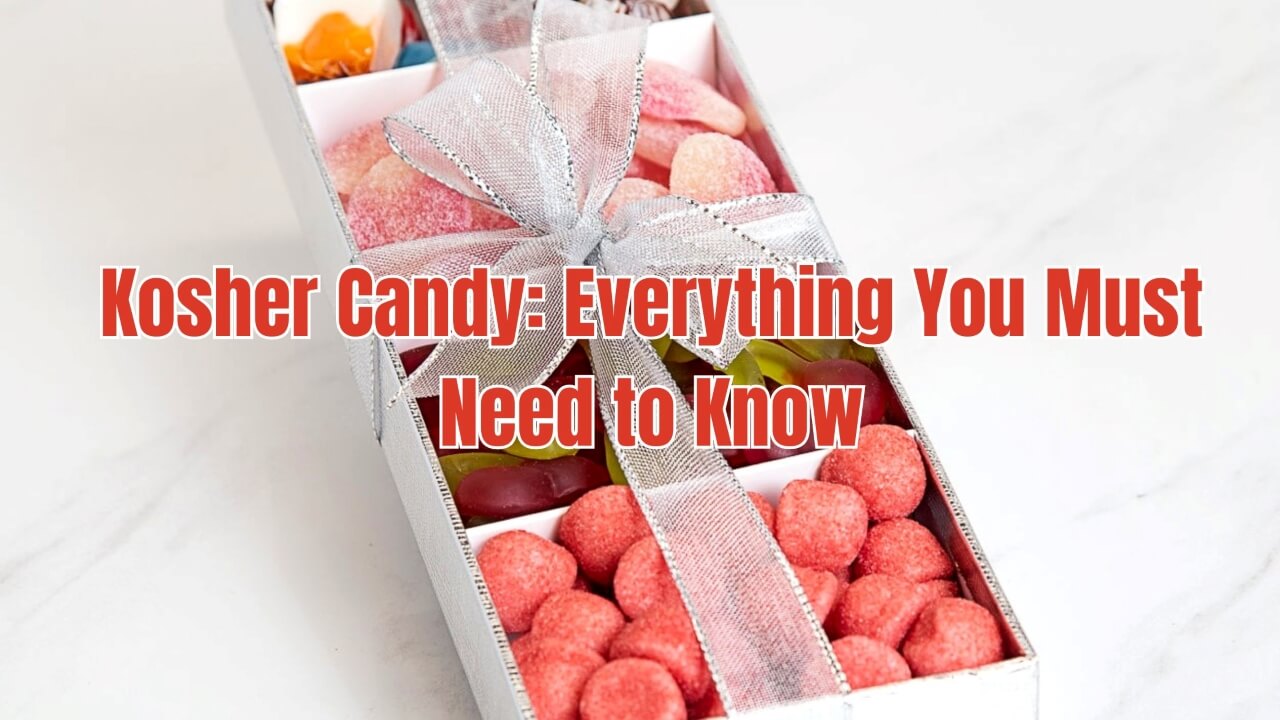
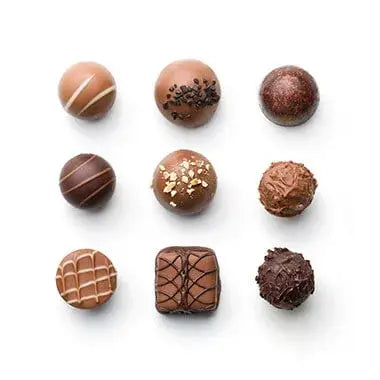
A kosher chocolate truffle is still a treat — and meant to be enjoyed as one. What kosher certification does provide is:
-
Clear ingredient sourcing
-
Strict cleanliness standards
-
No hidden additives or ambiguous ingredients
This is why many people — even those who don’t keep kosher — prefer kosher products for everyday enjoyment and thoughtful gifting.
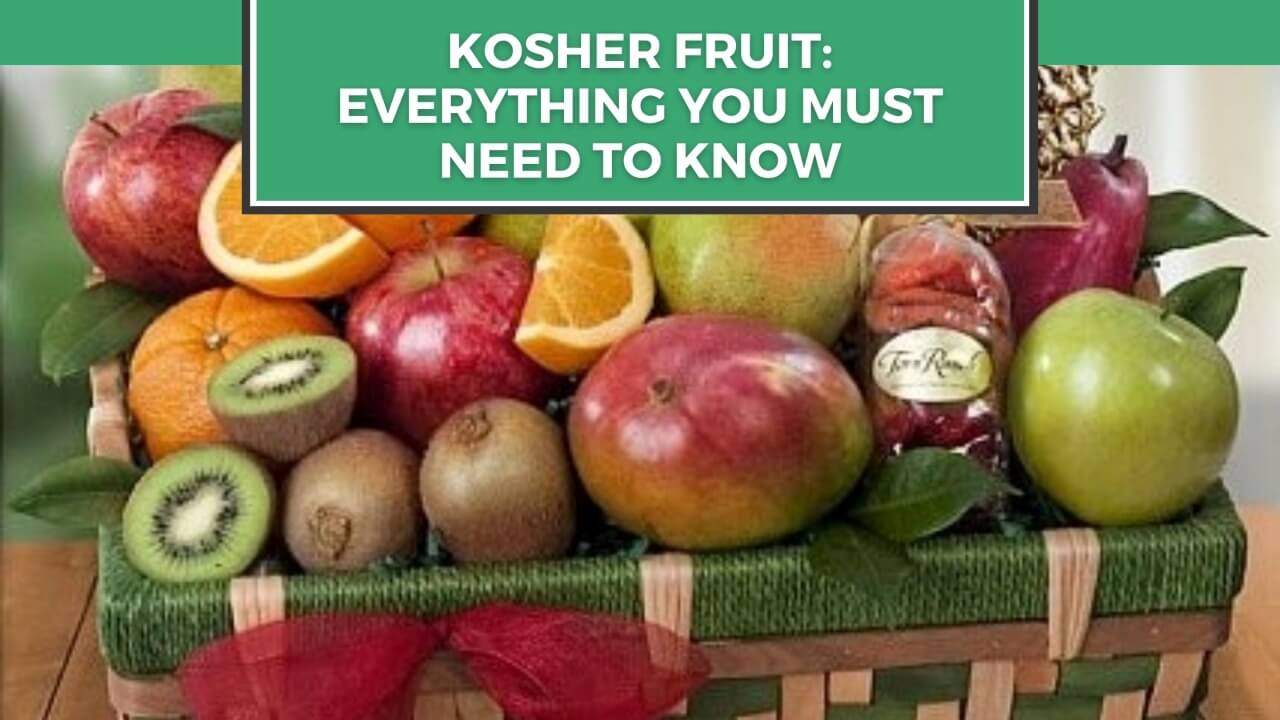
👉 Explore Kosherline’s gourmet kosher fruits crafted with care:
Shop Kosher Fruit Baskets ›
Myth #2: Kosher Foods Are Overly Processed
Reality: Kosher foods range from artisanal and natural to indulgent and festive — just like any other food category.
Because kosher certification requires every ingredient to be reviewed and approved, many kosher products:
-
Use simpler, recognizable ingredients
-
Avoid unnecessary fillers
-
Maintain consistent quality
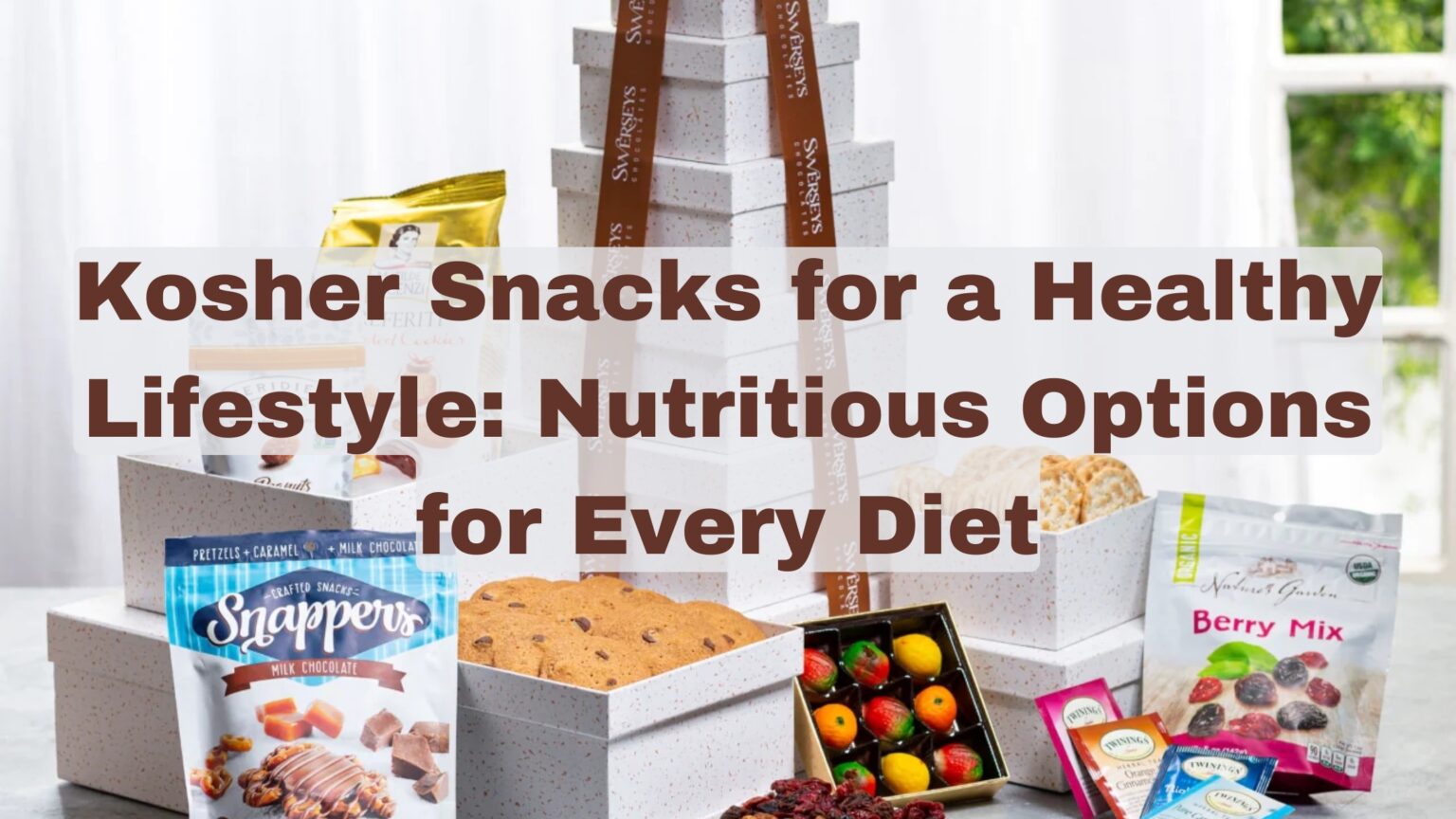
This makes kosher snacks and sweets a popular choice for customers seeking clean labels without sacrificing flavor.
👉 Perfect for mindful snacking or elegant gifting:
Browse Kosher Snack ›
Myth #3: Kosher Meat Isn’t Good for You
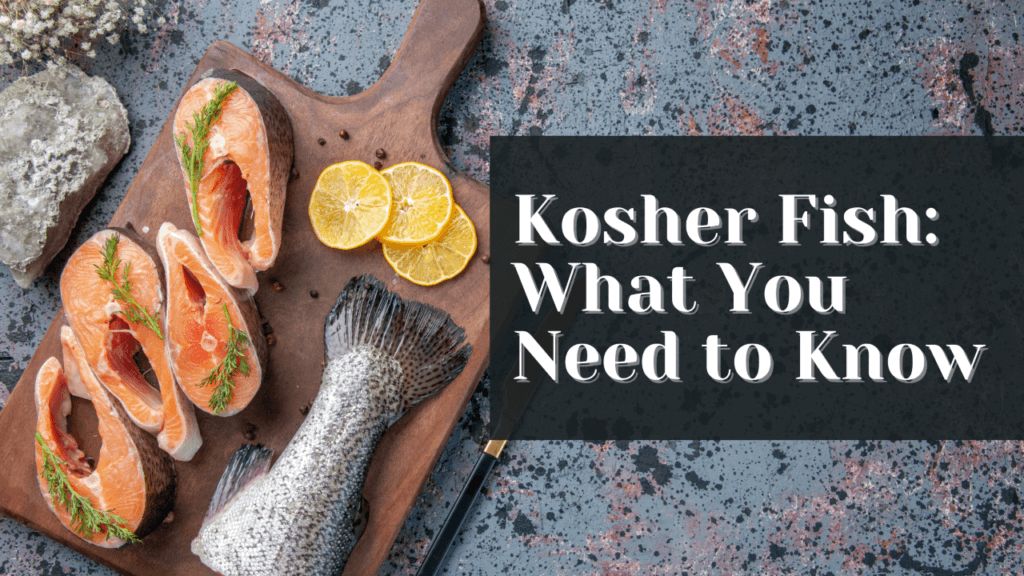
Reality: Kosher meat follows some of the most carefully regulated preparation standards in the food world.
These include:
-
Humane slaughter practices
-
Complete removal of blood
-
Careful salting and rinsing
Nutritionally, kosher meat provides the same protein and essential nutrients as non-kosher meat. Many customers choose kosher meat because it aligns with values of ethical sourcing and respect for food — an increasingly important part of modern wellness.
Myth #4: Kosher Snacks Are Too High in Sugar or Salt
Reality: Kosher food reflects choice — not excess.
Today’s kosher market includes:
-
Reduced-sugar chocolates
-
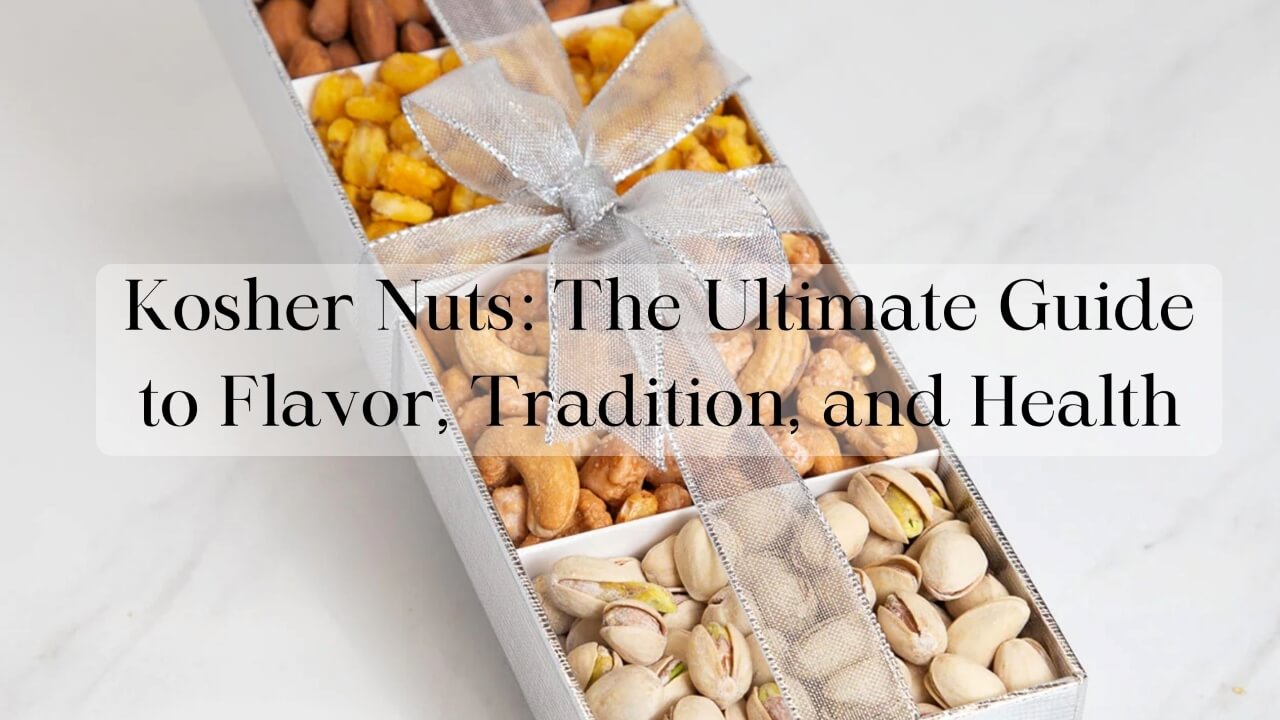
Nut-based snacks
-
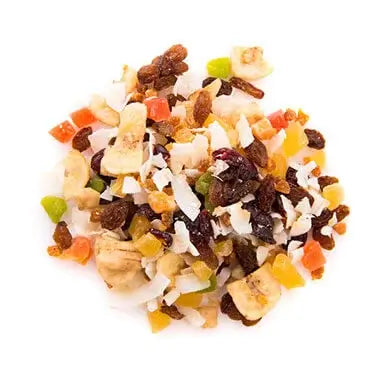
Dried fruits and whole-ingredient treats
-
Premium confections designed for balance and enjoyment
At Kosherline, we curate products that are meant to be savored, not overdone — ideal for both personal enjoyment and refined gifting.
Discover balanced indulgence:
Shop Gourmet Kosher Treats ›
Myth #5: Kosher Certification Has Nothing to Do With Food Safety
Reality: While kosher certification is religious, it involves rigorous, ongoing oversight.
Kosher certification requires:
-
Frequent facility inspections
-
Strict sanitation rules
-
Full ingredient traceability
-
Clear labeling and separation
This additional level of accountability is one reason kosher products are trusted by families, hosts, and corporate gift buyers alike.
How Kosher Food Supports a Balanced Lifestyle
Kosher food fits naturally into mindful eating when paired with smart choices:
-
Emphasizing whole ingredients
-
Enjoying treats in moderation
-
Choosing quality over quantity
Kosher tradition encourages intentional eating — a value that resonates strongly with today’s health-conscious consumers.
Why Even Non-Kosher Shoppers Choose Kosher Products
Many Kosherline customers don’t strictly keep kosher — yet they return again and again because they value:
-
Trusted standards - Kosher certification requires strict oversight, ingredient transparency, and consistent quality control. Even non-kosher shoppers appreciate knowing products meet higher, carefully monitored standards.
-
Premium presentation - Kosher gifts are often beautifully packaged, thoughtfully arranged, and designed to feel special—making them ideal for celebrations, professional gifting, and meaningful moments.
-
Thoughtful sourcing - Many kosher products emphasize clean ingredients, ethical sourcing, and careful handling, aligning with modern values around health, sustainability, and responsibility.
-
Confidence when gifting - Kosher gifts remove uncertainty. Whether the recipient keeps kosher or not, shoppers can gift with confidence knowing the product is widely acceptable, respectful, and inclusive.
Kosher food offers reassurance — especially when the gift matters.
👉 Make every occasion meaningful:
Explore Kosherline Gift Collections ›
Featured Snippet FAQ: Kosher Food & Health
Is kosher food healthier than non-kosher food?
Kosher food is not automatically healthier, but it follows strict preparation, ingredient, and cleanliness standards that many consumers associate with quality and transparency.
Does kosher mean organic or natural?
No. Kosher refers to religious dietary laws, not organic or natural claims. However, many kosher products also meet clean-label or premium ingredient standards.
Is kosher meat safe and ethical?
Yes. Kosher meat is prepared under strict ethical and sanitation guidelines, including humane slaughter and continuous supervision.
Why do people who don’t keep kosher buy kosher food?
Many people choose kosher food for its clear labeling, ingredient transparency, and trusted certification — especially when gifting or hosting.
Can kosher food be part of a healthy diet?
Absolutely. Like any diet, balance matters. Whole foods, moderation, and mindful choices are key.
The Takeaway: Clarity, Care, and Confidence
Kosher food isn’t a health trend — it’s a commitment to standards. While it doesn’t guarantee nutrition perfection, it offers something just as valuable: confidence in what you’re serving and sharing.
At Kosherline, we’re proud to curate kosher foods that reflect care, quality, and celebration — for holidays, milestones, and everyday moments that matter.