









The kosher food industry has never been more exciting. Once viewed as a niche market, kosher foods have become a global symbol of quality, transparency, and premium ingredients. Today, millions of consumers—including those who don't observe kosher laws—actively choose kosher-certified products because they trust the manufacturing standards and ingredient sourcing.
As we move through 2026, innovation is transforming everything from gourmet gift baskets to everyday pantry staples. Health-conscious shoppers, busy families, and adventurous food lovers are influencing what manufacturers create next.
Here are the biggest kosher food trends shaping 2026.
1. Functional Foods Are Becoming Mainstream
Consumers no longer want food that simply tastes good—they also want it to support their overall wellness.
Kosher brands are introducing products rich in:
-
Protein
-
Fiber
-
Probiotics
-
Whole grains
-
Plant-based ingredients
This reflects broader food industry trends, where nutrition and convenience increasingly go hand in hand.
2. Global Flavors Continue to Inspire Kosher Cooking
Jewish cuisine has always been wonderfully diverse, and today's kosher kitchens embrace flavors from around the world.
Popular international inspirations include:
-
Korean-inspired sauces
-
Mediterranean herbs
-
Middle Eastern spices
-
Japanese-inspired seasonings
-
Latin American marinades
These bold flavors allow families to enjoy exciting meals while remaining fully kosher. Global cuisine continues to influence product development throughout 2026.
3. Premium Gourmet Gift Baskets Are More Popular Than Ever
Food gifting has evolved beyond holidays.
People now send kosher gourmet gifts for:
-
Birthdays
-
Housewarmings
-
Corporate appreciation
-
Sympathy gifts
-
Thank-you gifts
-
Baby celebrations
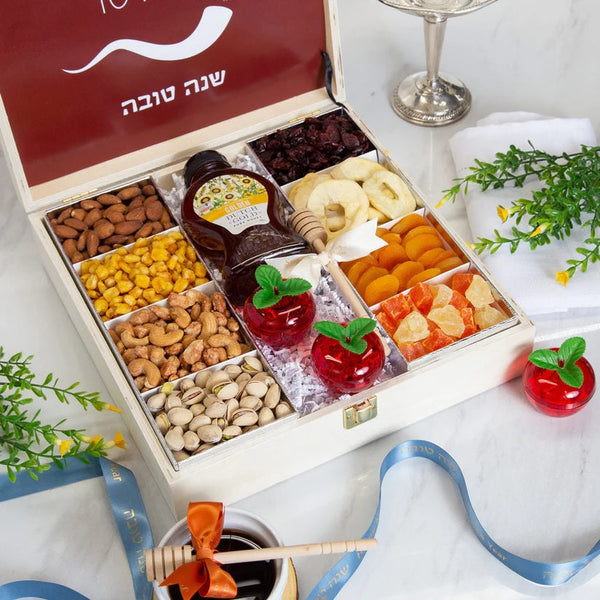
Premium assortments featuring artisan chocolates, dried fruits, nuts, specialty crackers, premium coffee, tea, and wine-friendly snacks continue to grow in popularity.
Recipients appreciate gifts they can immediately share with family and guests.
4. Sustainability Matters
Consumers increasingly want to know where their food comes from.
Many kosher shoppers now look for:
-
Responsibly sourced ingredients
-
Recyclable packaging
-
Reduced food waste
-
Local producers
-
Environmentally conscious brands
Sustainability has become an important purchasing factor alongside kosher certification.
5. Better-for-You Snacks Dominate Grocery Shelves
Snack time is changing.
Instead of highly processed treats, shoppers prefer options like:
-
Roasted nuts
-
Trail mixes
-
Freeze-dried fruit
-
Air-popped popcorn
-
Dark chocolate
-
Chickpea snacks
-
Protein crisps
The goal is simple: satisfying snacks with cleaner ingredient lists.
6. Plant-Based Kosher Meals Keep Growing
Plant-based eating isn't replacing traditional kosher cooking—it’s expanding it.
Many families enjoy meatless meals several times a week while maintaining traditional Jewish recipes.
Popular ingredients include:
-
Chickpeas
-
Lentils
-
Mushrooms
-
Quinoa
-
Cauliflower
-
Eggplant
-
Tahini
These ingredients offer versatility, nutrition, and excellent flavor.
7. Creative Flavor Combinations Are Everywhere
Food manufacturers are experimenting with exciting pairings.
Some growing flavor trends include:
-
Pistachio
-
Matcha
-
Ube
-
Sweet-and-spicy combinations
-
Citrus with herbs
-
Premium chocolate pairings
These innovative flavors are making their way into kosher desserts, snacks, and gourmet gift collections.
8. Convenience Without Compromising Quality
Busy families appreciate meals that are both quick and delicious.
Demand continues to grow for:
-
Ready-to-heat meals
-
Pre-seasoned proteins
-
Frozen gourmet entrées
-
Meal kits
-
Easy holiday side dishes
Convenience remains one of the fastest-growing segments in kosher food.
9. Transparency Builds Consumer Trust
Today's shoppers carefully read labels.
They appreciate brands that clearly communicate:
-
Ingredient sourcing
-
Allergens
-
Nutritional information
-
Certification details
-
Manufacturing practices
Kosher certification already provides a strong foundation of trust, making transparency even more valuable.
10. Traditional Favorites Continue to Shine
While innovation is exciting, timeless Jewish favorites remain at the heart of every celebration.
Families still gather around classics such as:
-
Challah
-
Rugelach
-
Babka
-
Matzo products
-
Kugel
-
Premium smoked fish
-
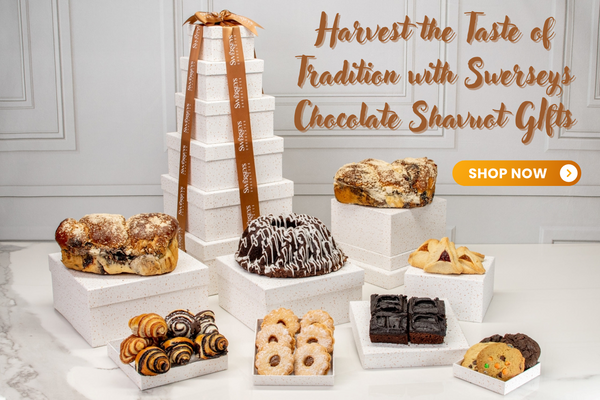
Artisan pastries
Modern flavors may evolve, but tradition continues to bring generations together.
What These Trends Mean for Kosher Shoppers
The future of kosher food is about balancing tradition with innovation.
Consumers want products that are:
-
Delicious
-
High quality
-
Convenient
-
Health-conscious
-
Sustainably produced
-
Beautiful enough for gifting
Whether you're preparing for Shabbat, celebrating a Jewish holiday, sending a thoughtful gift, or stocking your pantry, today's kosher marketplace offers more variety than ever before.
Final Thoughts
Kosher food in 2026 is more dynamic than ever. Global flavors, functional ingredients, sustainable practices, and gourmet presentation are shaping the next generation of kosher products without losing sight of centuries-old traditions.
For shoppers, that means more choices, higher quality, and exciting new ways to celebrate Jewish life through food. Whether you're discovering a new snack, preparing a family meal, or sending a gourmet gift basket, there's never been a better time to explore the world of kosher cuisine.