All You Need To Know About Kosher Gift Baskets

Filters

Clear all

Categories

Exploring the History and Traditions of Hanukkah Through Gourmet Gift Baskets

by Mark Jacobovits

Exploring the History and Traditions of Hanukkah Through Gourmet Gift Baskets

Welcome, dear reader, to a journey that intertwines the rich tapestry of tradition, history, and culinary delight. At the heart of this expedition lies Hanukkah, one of the most significant festivals in Jewish culture. Known fondly as the 'Festival of Lights', Hanukkah is an eight-day commemoration filled with joy, prayer, and, of course, delicious food. The celebration pays tribute to the rededication of the Holy Temple in Jerusalem following the Maccabee's triumphant revolt against their Greek-Syrian oppressors.

Read more

Kosher Salt vs. Table Salt

by Mark Jacobovits

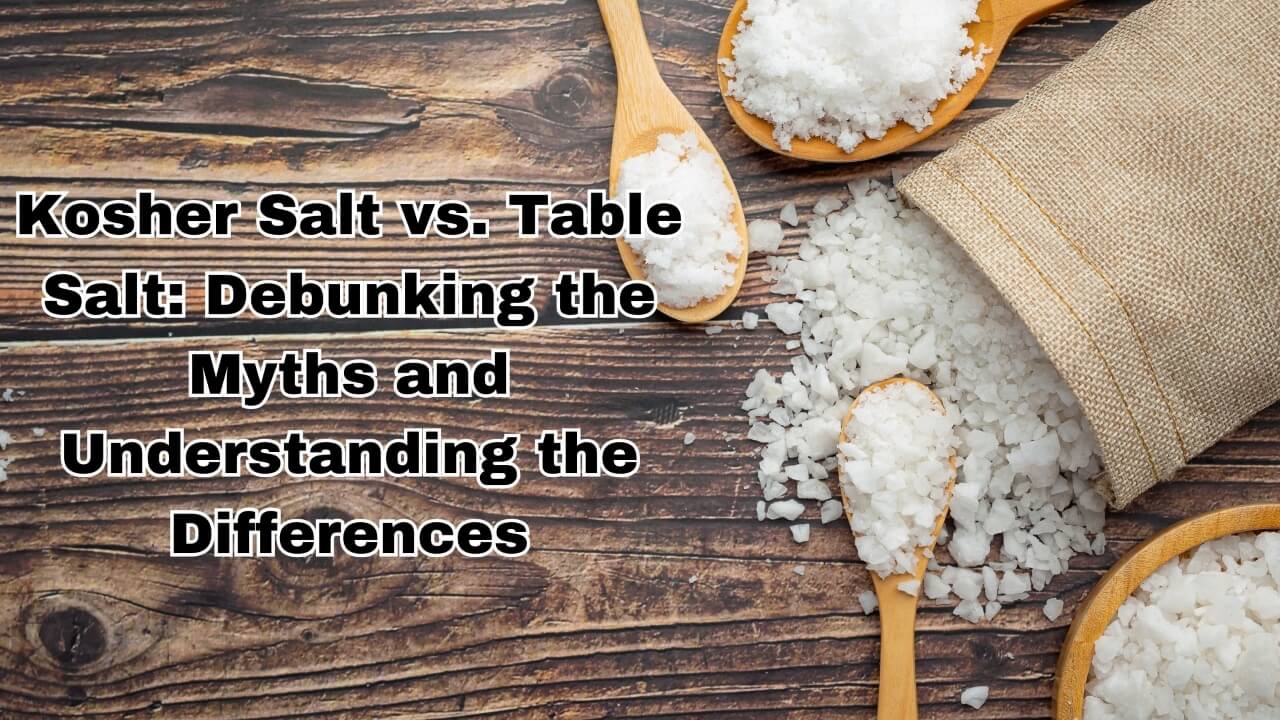
Kosher Salt vs. Table Salt: Debunking the Myths and Understanding the Differences

In this blog post, we will explore the myths and differences between kosher salt and table salt, two of the most common types of salt used in cooking. We will explain what kosher salt and table salt are, how they are made, and how they affect your food. We will also debunk some of the misconceptions and misunderstandings about these types of salt and give you some tips on how to use them properly in your cooking. Salt is one of the most essential and versatile ingredients in cooking. It enhances the flavor, texture, and appearance of food, and also plays a role in food preservation, fermentation, and baking. However, not all salt is created equal. There are many types of salt available in the market, each with its own characteristics, benefits, and drawbacks.  Two of the most common types of salt are kosher salt and table salt. But what are the differences between them, and how do they affect your food? In this blog post, we will debunk some of the myths and misconceptions about kosher salt and table salt, and help you understand how to use them properly in your cooking. What is Kosher Salt? Kosher salt is a type of salt with large, coarse grains. It is mined from salt deposits and usually does not contain any additives or iodine. It is called kosher salt because it is used in the koshering process, which involves removing the blood from meat or poultry before cooking. Kosher salt has a flaky and irregular structure that makes it easy to sprinkle over food and draw out moisture from meat. Kosher salt is less dense than table salt, so it weighs less by volume and has a milder flavor. What is Table Salt? Table salt is a type of salt with small, fine grains. It is also mined from salt deposits, but it is processed to remove impurities and add anti-caking agents to prevent clumping. Most table salt is also iodized, which means that it has iodine added to it to prevent iodine deficiency. Table salt has a cubic and uniform structure that makes it more compact and saltier than kosher salt. Table salt is more suitable for baking than kosher salt, as it dissolves quickly and measures more accurately. What are the Myths and Misconceptions about Kosher Salt and Table Salt? There are many myths and misconceptions about kosher salt and table salt that can confuse consumers and affect their cooking results. Here are some of the most common ones: •  Myth: Kosher salt is healthier than table salt because it has less sodium. •  Fact: Kosher salt and table salt have the same chemical composition: sodium chloride. The only difference is the size and shape of the grains. Kosher salt may seem to have less sodium because it weighs less by volume than table salt, but if you measure them by weight, they have the same amount of sodium. The best way to reduce your sodium intake is to use less salt in general, regardless of the type. •  Myth: Kosher salt is more natural than table salt because it does not have any additives or iodine. •  Fact: Kosher salt and table salt are both natural products that are mined from salt deposits. The additives in table salt are not harmful or artificial; they are simply used to prevent clumping and provide iodine, which is an essential nutrient for thyroid health. Iodine deficiency can cause goiter, cretinism, and mental retardation. However, most people get enough iodine from other sources, such as seafood, dairy products, eggs, and bread. If you prefer to use non-iodized salt, you can find it in most grocery stores. •  Myth: Kosher salt and table salt can be used interchangeably in recipes without affecting the outcome. •  Fact: Kosher salt and table salt have different grain sizes and densities, which means that they measure differently by volume. If you use kosher salt instead of table salt in a recipe that calls for a specific amount of salt (such as a teaspoon or a tablespoon), you will end up using less salt than intended, which can affect the flavor, texture, and chemistry of your food.  Conversely, if you use table salt instead of kosher salt in a recipe that calls for a pinch or a sprinkle of salt (such as over meat or vegetables), you will end up using more salt than intended, which can make your food too salty. The best way to avoid this problem is to measure your salt by weight rather than by volume, or to adjust your measurements according to the type of salt you are using. How to Use It Properly in Your Cooking? Kosher salt and table salt have different properties that make them more suitable for certain purposes in cooking. Here are some tips on how to use them properly: Use kosher salt for seasoning dishes during or after cooking. Kosher salt has a larger flake size that makes it easy to pick up with your fingers and sprinkle over food. It also dissolves slowly on the surface of food, creating a burst of flavor without making it too salty. Koshersalt is also ideal for curing or smoking meat, pickling vegetables, or brining poultry or seafood, as it draws out moisture and enhances the flavor of food. Use table salt for baking or for dishes that require a precise amount of salt. Table salt has a smaller grain size that makes it more accurate and consistent for measuring. It also dissolves quickly and evenly in batters, doughs, or liquids, creating a uniform flavor and texture. Table salt is also good for seasoning dishes during cooking, as it penetrates deeper into food than kosher salt. Use sea salt or Himalayan salt for finishing dishes or for adding a crunchy texture and a complex flavor. Sea salt and Himalayan salt are types of salt that are made by evaporating seawater or mined from ancient salt deposits, respectively.  They have larger and uneven grains than kosher or table salt, and they contain trace minerals that give them a distinctive color and taste. Sea salt and Himalayan salt are great for adding a touch of elegance and sophistication to your dishes, as they enhance the flavor and appearance of food. Conclusion Kosher salt and table salt are two of the most common types of salt used in cooking. They have different grain sizes, densities, flavors, and uses. Kosher salt is larger, flakier, milder, and more suitable for seasoning dishes during or after cooking, curing or smoking meat, pickling vegetables, or brining poultry or seafood. Table salt is smaller, finer, saltier, and more suitable for baking or for dishes that require a precise amount of salt.  Both types of salt have the same chemical composition and sodium content, but table salt usually contains additives and iodine. Kosher salt and table salt cannot be used interchangeably in recipes without affecting the outcome.  The best way to use them properly is to measure them by weight rather than by volume, or to adjust your measurements according to the type of salt you are using. You can also use other types of salt, such as sea salt or Himalayan salt, for finishing dishes or for adding a crunchy texture and a complex flavor.


Read more

Sympathy Baskets: Choosing the Perfect Food Gifts for Your Jewish Friends

by Mark Jacobovits

Sympathy Baskets: Choosing the Perfect Food Gifts for Your Jewish Friends

In this blog post, we will explore the concept of sympathy baskets, how to choose the perfect kosher food gifts for your Jewish friends, and some popular options to consider. Losing a loved one is a difficult time for anyone, regardless of their cultural background. As friends and family members, it is our responsibility to provide comfort and support during this challenging period.  One way to express our sympathy and compassion is by offering thoughtful gifts that cater to the specific beliefs and customs of the bereaved family. For those with Jewish friends, understanding the importance of kosher gifts is essential. Understanding Sympathy Baskets:  Sympathy baskets are a traditional way of expressing condolences and providing comfort to grieving families.  These baskets typically contain an assortment of items, such as food, beverages, and self-care products, that can help ease the pain and provide solace during a time of loss.  When selecting a sympathy basket for a Jewish friend, it's crucial to ensure that all the items included adhere to kosher guidelines, as this demonstrates respect for their religious beliefs and customs. What Does Kosher Mean? Kosher is a term derived from the Hebrew word "kasher," which means "fit" or "proper." In the context of food, kosher refers to items that comply with Jewish dietary laws, known as Kashrut.  These laws dictate what types of food can be consumed, how they should be prepared, and how they must be stored. Some basic rules of Kashrut include: 1. Prohibition of consuming certain animals, such as: Pigs - Pigs are prohibited as a non-kosher animal according to Jewish law because it is seen as an unclean animal. Pigs are scavengers and feed on garbage, which is considered unclean in Jewish dietary laws. Additionally, pigs have split hooves but do not chew their cud, which is another requirement of kosher animals. Therefore, eating pork is forbidden for Jews who follow the dietary laws. Shellfish - Shellfish are prohibited as non-kosher because they do not have both fins and scales according to the laws of kashrut. This is outlined in Leviticus 11:9-12. Shellfish lack the ability to survive outside of water, making them difficult to inspect for possible defects that would render them unkosher. Additionally, shellfish often live in unsanitary environments, which could potentially contain bacteria or other contaminants. 2. Separation of dairy and meat products Separation of dairy and meat products, as they cannot be consumed together with kosher food. This means that all dairy and meat products must be kept in separate areas, such as separate fridges, freezers, storage cabinets, shelves, and preparation areas.  This is so that there is no chance of the two coming into contact with each other. Additionally, all utensils, dishes, and cookware used for dairy products must not be used for meat products, and vice versa. 3. Ensuring that animals are slaughtered according to specific guidelines, known as Shechita Ensuring that animals are slaughtered humanely and in a manner that does not cause undue suffering. Maintaining the highest standards of hygiene and cleanliness in all areas related to slaughtering animals.  Ensuring that all relevant regulations and laws governing animal welfare and meat production are adhered to. Monitoring the health and welfare of animals prior to and during the process of slaughter.  Ensuring that all necessary safety measures are taken during the process of slaughter. Recording data related to the slaughter and ensuring that it is properly documented. Reporting any violations or discrepancies in order to ensure compliance with applicable laws and regulations. Read our blog about “Kosher Meat: 6 Things You Must Need to Know”. 4. Avoiding foods containing blood or certain animal byproducts. These prohibited items include:  Blood from any animal or bird (including eggs).  The sciatic nerve of an animal (the large nerve that runs along the backbone). Certain fats and glands from animals such as the lard found in pork.  By adhering to these guidelines, you can ensure that the sympathy basket you create is suitable for your Jewish friends and their family members. How to Choose the Perfect Kosher Sympathy Basket 1. Research and Familiarize Yourself with Kosher Guidelines: Before selecting items for a sympathy basket, it's essential to familiarize yourself with kosher dietary laws. This will help you make informed decisions when choosing products and avoid any potential misunderstandings or offense.  2. Consider the Family's Preferences: While it's crucial to adhere to kosher guidelines, it's also essential to consider the personal preferences of the grieving family. Take into account any known allergies, dietary restrictions, and favorite foods to create a customized and thoughtful gift.  3. Opt for Certified Kosher Products: To ensure that all items in the sympathy basket are kosher, look for products that bear a reliable kosher certification symbol. These symbols are issued by various organizations and indicate that the product has been prepared according to kosher standards. 4. Choose a Reputable Vendor: If you're not assembling the sympathy basket yourself, make sure to choose a reputable vendor who specializes in kosher gift baskets. They should be knowledgeable about Jewish customs and dietary laws and offer a wide selection of certified kosher products.  Kosherline Gourmet Gifts’ sympathy baskets are kosher certified gourmet food gifts that offer comfort and support to friends and family during a time of mourning. Popular Sympathy Gift Basket Ideas When it comes to expressing our condolences and offering support during difficult times, finding the right words or gestures can be challenging. A thoughtful and heartfelt way to show your care and concern is by gifting a sympathy gift basket.  These carefully curated collections of comforting sympathy gift basket ideas not only provide solace to those grieving but also serve as a tangible reminder of your presence and empathy. 1. Kosher Fruit Basket Shiva and Sympathy Bountiful Kosher Fruit Basket A fruit basket is a classic and universally appreciated gift. Opt for a variety of fresh, seasonal fruits that are both delicious and nutritious. Make sure to choose a vendor that guarantees the freshness and quality of their produce. 2. Kosher Gourmet Food Basket  Best of the Best Gift Basket  Indulge your grieving friends with a selection of gourmet kosher treats, such as artisanal chocolates, nuts, dried fruits, and specialty teas or coffee. Ensure that all items are certified kosher and packaged elegantly.  3. Wine and Chocolate Gift Basket Sympathy Wine Chocolate Gift Designer Wine Glasses Offer comfort and sophistication with a wine and chocolate basket. Select a quality kosher wine and pair it with an assortment of kosher chocolates and crackers. Remember to check for kosher certification on all items. 4. Kosher Self-Care Basket Help your friends find solace through self-care by creating a basket filled with kosher-certified pampering products, such as bath salts, candles, and soothing lotions. This thoughtful gift will provide much-needed relaxation during a challenging time. Conclusion When selecting a sympathy basket for your Jewish friends, it's essential to consider their religious beliefs and customs.  By familiarizing yourself with kosher guidelines and choosing certified kosher products, you can create a thoughtful and comforting gift that demonstrates your support and understanding during their time of grief.  With a wide range of kosher sympathy basket ideas available, you're sure to find the perfect gift to help your friends.

Read more